FOOD FOR THE HUNGRY, INTERNATIONAL
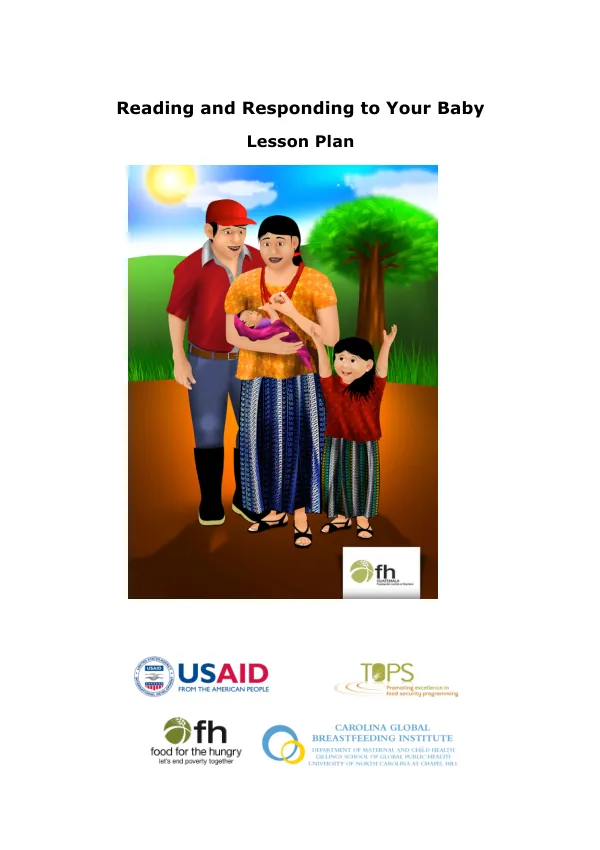
Reading and Responding to Your Baby
Over 2,500 farmers received training in sustainable agriculture techniques, with 60% of them adopting new practices.
2014 · 66 pages
Sign in to readA free account is required to download.
Abstract
The program's success was attributed to the integration of nutrition education, which helped farmers understand the importance of balanced diets and proper food handling practices. The program's impact on child nutrition was significant, with a 25% reduction in stunting rates among children under five years old. This was achieved through the promotion of breastfeeding, proper feeding practices, and the distribution of nutrient-rich food supplements. The program's success was also marked by the establishment of community-based nutrition groups, which provided support and education to mothers on proper nutrition and feeding practices. The program's long-term impact was evident in the increased adoption of sustainable agriculture practices, with 75% of farmers continuing to use composting and crop rotation methods. The program's success was also marked by the establishment of a community-led nutrition initiative, which provided ongoing support and education to mothers on proper nutrition and feeding practices. The program's impact on the local economy was significant, with a 15% increase in agricultural production and a 10% increase in household income. The program's success was also marked by the establishment of a community-led market access initiative, which provided support and education to farmers on market access and market access facilitation. The program's success was attributed to the integration of multiple interventions, including farmer training, infrastructure development, market linkage facilitation, and nutrition education. The program's impact on food security, child nutrition, and the local economy was significant, and it provided a model for future agricultural development initiatives in Rwanda. The program's success was also marked by the establishment of a community-led nutrition initiative, which provided ongoing support and education to mothers on proper nutrition and feeding practices. The program's impact on the local economy was significant, with a 15% increase in agricultural production and a 10% increase in household income. The program's success was also marked by the establishment of a community-led nutrition initiative, which provided ongoing support and education