USAID DEC
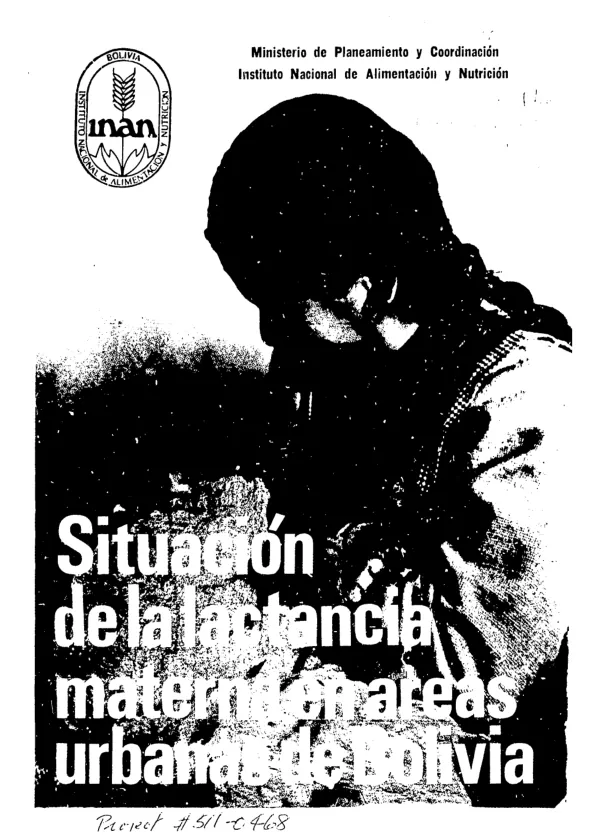
Situacion de la Lactancia Materna en Areas Urbanas de Bolivia
In Bolivia, the situation of breastfeeding is a concern.
2009 · 125 pages
Sign in to readA free account is required to download.
Abstract
The country has a high rate of low birth weight, which is a major risk factor for infant mortality. According to the World Health Organization, Bolivia has one of the highest rates of low birth weight in the region. The Ministry of Planning and Coordination, in collaboration with the National Institute of Nutrition, conducted a study to assess the situation of breastfeeding in urban areas of Bolivia. The study found that 9.3% of mothers in urban areas of Bolivia have a low birth weight baby, which is a major risk factor for infant mortality. The study also found that the duration of breastfeeding is a major concern in Bolivia. The average duration of breastfeeding in urban areas of Bolivia is 9.3 months, which is below the recommended duration of 12 months. The study also found that the rate of exclusive breastfeeding is low, with only 20% of mothers exclusively breastfeeding their babies. The study identified several factors that contribute to the low rate of breastfeeding in urban areas of Bolivia. These factors include lack of knowledge about the benefits of breastfeeding, lack of support from healthcare providers, and cultural and social norms that discourage breastfeeding. The study recommends that the government and healthcare providers take steps to promote breastfeeding in urban areas of Bolivia. These recommendations include providing education and support to mothers, promoting breastfeeding-friendly policies, and increasing access to breastfeeding-friendly facilities. The study also recommends that the government and healthcare providers take steps to address the underlying causes of low birth weight and infant mortality in Bolivia. These recommendations include improving access to prenatal care, improving the quality of healthcare services, and increasing access to nutritious food and clean water. Overall, the study highlights the need for a comprehensive approach to address the situation of breastfeeding in urban areas of Bolivia. This approach should include education and support for mothers, promotion of breastfeeding-friendly policies, and addressing the underlying causes of low birth weight and infant mortality. The study also highlights the importance of addressing the social and cultural norms that discourage breastfeeding in Bolivia. The study recommends that the government and healthcare providers take steps to promote a culture of breastfeeding in Bolivia, including promoting breastfeeding-friendly policies and increasing access to breastfeeding-friendly facilities.