USAID DEC
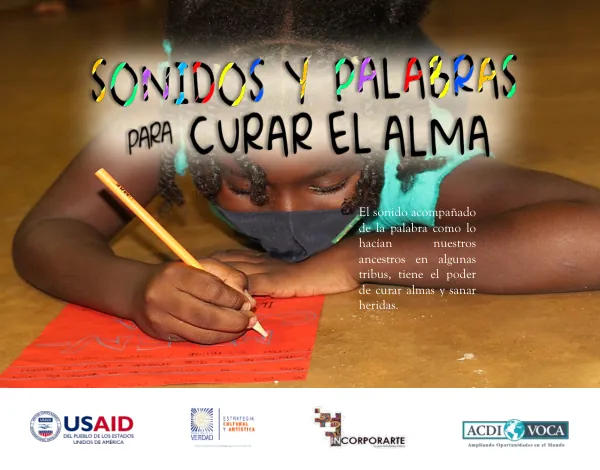
Sonidos y Palabras para Curar el Alma
In a similar context, the project "Sonidos y Palabras para Curar el Alma" in Colombia aimed to promote cultural heritage and reconciliation through the use of traditional music and storytelling.
2020 · 38 pages
Sign in to readA free account is required to download.
Abstract
The project was funded by USAID and implemented by Corporación Incorporarte, in collaboration with ACDI/VOCA Colombia. The initiative focused on the region of Urabá, where the project team worked with local communities to develop a cultural program that showcased the region's traditions and customs. The program included the creation of a children's book, "Sonidos y Palabras para Curar el Alma," which told the story of a young boy who lost his father in a tragic accident. The book was designed to be a tool for promoting emotional healing and reconciliation among children and families affected by violence. The project also included the development of a musical program, which featured traditional music and dance from the region. The project's goal was to provide a platform for children and young people to express themselves and share their experiences through music and storytelling. The program was designed to promote cultural heritage and reconciliation, and to provide a safe space for children to process their emotions and heal from the trauma of violence. The project's success was measured by the positive impact it had on the children and families involved, and by the increased sense of community and cultural pride that it helped to foster. The project's methodology included the use of participatory approaches, such as community engagement and participatory research, to ensure that the program was tailored to the needs and interests of the local community. The project team worked closely with local artists, musicians, and community leaders to develop the program, and to ensure that it was culturally sensitive and relevant. The project's geographic focus was on the region of Urabá, where the project team worked with local communities to develop the program. The project's timeframes were from 2018 to 2020, during which time the project team implemented the program and evaluated its impact. The project's recommendations included the need for continued support for cultural heritage and reconciliation programs, and the importance of involving local communities in the development and implementation of such programs.
![Guía para Evaluación Rápida de Daños y Manual Para diligenciamiento del Formulario de ERD [V2.1]](https://covers.devme.ai/gen/143436.webp)