MANAGEMENT SCIENCES FOR HEALTH
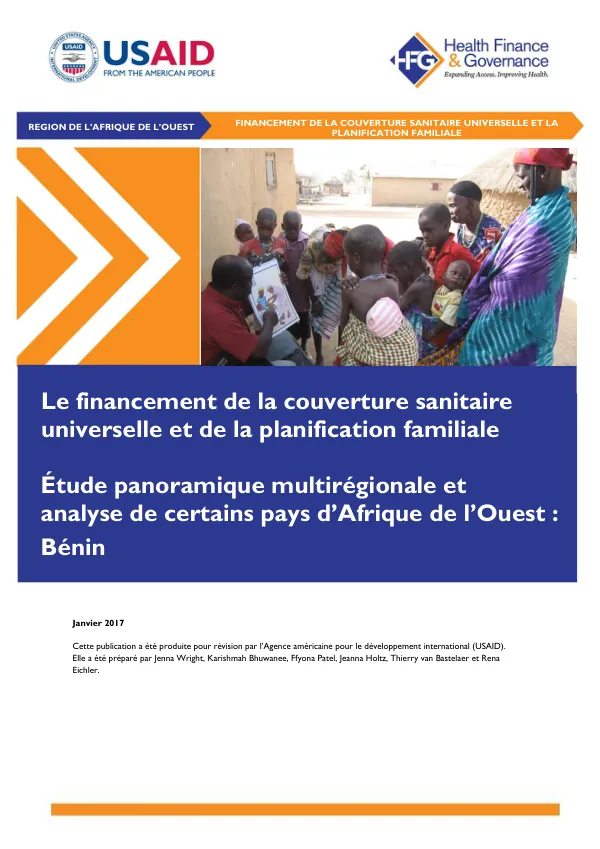
Stratégie d’institutionnalisation du genre au Ministère de la Santé du Bénin
The National Gender Integration Plan for the Ministry of Health in Benin was developed in 2014 with the support of the US Agency for International Development (USAID) through the Leadership, Management and Governance (LMG) project.
2014 · 53 pages
Sign in to readA free account is required to download.
Abstract
The plan aims to institutionalize gender within the Ministry of Health, promoting equality between men and women in the sector. The plan is based on the recommendations of the Beijing Conference in 1995, which recognized the importance of the gender approach in promoting equitable and sustainable development. The Benin government has committed to achieving the Millennium Development Goals (MDGs), which has reinforced the promotion of gender equality at the national level. The National Policy for the Promotion of Gender (PNPG) adopted in 2009 serves as a strategic framework for reducing and/or eliminating disparities between men and women in development policies and programs. The Ministry of Health in Benin has been actively engaged in this dynamic, establishing a division for gender and developing strategies to achieve MDG 5, which aims to improve maternal health. Despite progress, disparities between men and women persist in terms of health and access to healthcare services in Benin. These disparities are rooted in discriminatory social norms that influence the social determinants of health and disease for men and women. To address these disparities and achieve universal access to quality healthcare services, the Ministry of Health has opted to develop a gender institutionalization strategy. This strategy defines the objectives and outcomes to be achieved by the Ministry of Health to integrate the gender dimension into its internal functioning, programs, and organization, as well as the provision of healthcare services to populations. The strategy aims to promote gender equality and equity in the Ministry of Health, addressing the root causes of disparities between men and women in health and access to healthcare services. It seeks to create a favorable environment for the implementation of gender-sensitive policies and programs, promoting the empowerment of women and girls and reducing health inequities. The plan is based on a participatory approach, involving various stakeholders, including government officials, healthcare providers, and community members. It includes a framework for monitoring and evaluation, as well as a communication strategy to promote the integration of gender within the Ministry of Health. The implementation of the plan will be coordinated by the National Council for the Promotion of Equality and Equity of Gender in Benin, which will oversee the development of gender-sensitive policies and programs. The plan will also involve the establishment of a gender focal point within the Ministry of Health, responsible for promoting gender equality and equity in the sector. The National Gender Integration Plan for the Ministry of Health in Benin is a critical step towards promoting gender equality and equity in the sector, addressing the root causes of disparities between men and women in health and access to healthcare services. Its implementation will contribute to the achievement of the MDGs and promote a more equitable and sustainable healthcare system in Benin. The plan includes a framework for monitoring and evaluation, which will involve the collection of data on gender-sensitive indicators, such as the proportion of women in leadership positions, the number of women accessing healthcare services, and the level of gender-based violence in the sector. The plan also includes a communication strategy to promote the integration of gender within the Ministry of Health, involving the development of gender-sensitive materials, training for healthcare providers, and community outreach programs. The implementation of the plan will require the commitment of all stakeholders, including government officials, healthcare providers, and community members. It will also require the allocation of resources, including financial and human resources, to support the development of gender-sensitive policies and programs.