PATRIMONIO NATURAL
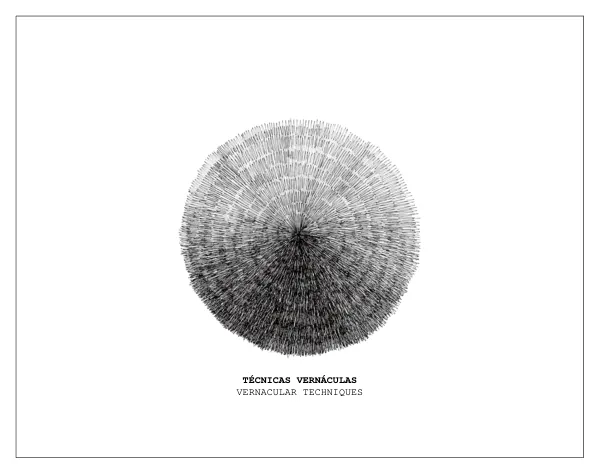
Técnicas vernáculas = Vernacular techniques
The use of vernacular techniques in the construction of buildings in the Caribbean region of Colombia is a traditional method that has been employed for centuries.
2016 · 168 pages
Sign in to readA free account is required to download.
Abstract
This approach to construction is characterized by the use of local materials, such as palm leaves, to create structures that are adapted to the climate and geography of the region. The palm leaves used in this construction process are obtained from native palm species, including the corozo de lata, amarga, wine, and estera palms. The corozo de lata palm, for example, is used to create roofs, walls, and other architectural elements. The leaves of this palm are versatile and can be used in a variety of ways, including as a roofing material, a wall covering, and even as a decorative element. The use of palm leaves in construction has several advantages, including the ability to generate solutions that are bioclimatic, meaning they are adapted to the local climate. This approach to construction also allows for the use of local labor and materials, which can help to reduce the environmental impact of building projects. In the Caribbean region of Colombia, the use of vernacular techniques in construction is a common practice that has been passed down through generations. These techniques have been developed over time through a process of experimentation and innovation, and they are characterized by the use of local materials and the adaptation of structures to the local climate and geography. The use of palm leaves in construction is a key aspect of this approach, and it is an example of how traditional knowledge and skills can be used to create sustainable and environmentally friendly buildings. The use of vernacular techniques in construction is not only beneficial for the environment, but it also has cultural and social significance. The use of local materials and the adaptation of structures to the local climate and geography are key aspects of this approach, and they reflect the cultural and social values of the communities that use them. The use of vernacular techniques in construction is also an example of how traditional knowledge and skills can be used to create sustainable and environmentally friendly buildings. In 2013, the Technical Team of the Conservation Landscapes Program (PPC) began working on a project to develop a set of Environmental Management Plans for a group of native palm species in the Caribbean region of Colombia. The project was led by Inés Cavelier, who has extensive experience in the field of conservation and sustainable development. The project aimed to promote the sustainable use and conservation of these palm species, which are threatened by various factors, including deforestation, over-harvesting, and climate change. The project involved a collaborative effort between the PPC, the University of Colombia, and other stakeholders, including local communities, NGOs, and government institutions. The project aimed to develop a set of management plans that would promote the sustainable use and conservation of the palm species, while also promoting the use of vernacular techniques in construction. The project also aimed to develop a set of protocols for the design and construction of buildings using vernacular techniques, which would include the use of palm leaves and other local materials. The project resulted in the development of a set of management plans that aimed to promote the sustainable use and conservation of the palm species, while also promoting the use of vernacular techniques in construction. The plans included a set of recommendations for the use of the palm species, including the corozo de lata, amarga, wine, and estera palms. The plans also included a set of protocols for the design and construction of buildings using vernacular techniques, which would include the use of palm leaves and other local materials. The project also aimed to promote the use of vernacular techniques in construction, which would include the use of local materials and the adaptation of structures to the local climate and geography. The project also aimed to promote the use of sustainable building materials, such as palm leaves, which would reduce the environmental impact of building projects. The project also aimed to promote the use of local labor and materials, which would help to reduce the environmental impact of building projects and promote economic development in the region. The project was a collaborative effort between the
Related documents