NATIONAL RESEARCH COUNCIL. OFC. OF INTERNATIONAL AFFAIRS. BOARD ON SCIENCE AND TECHNOLOGY FOR INTERNATIONAL DEVELOPMENT
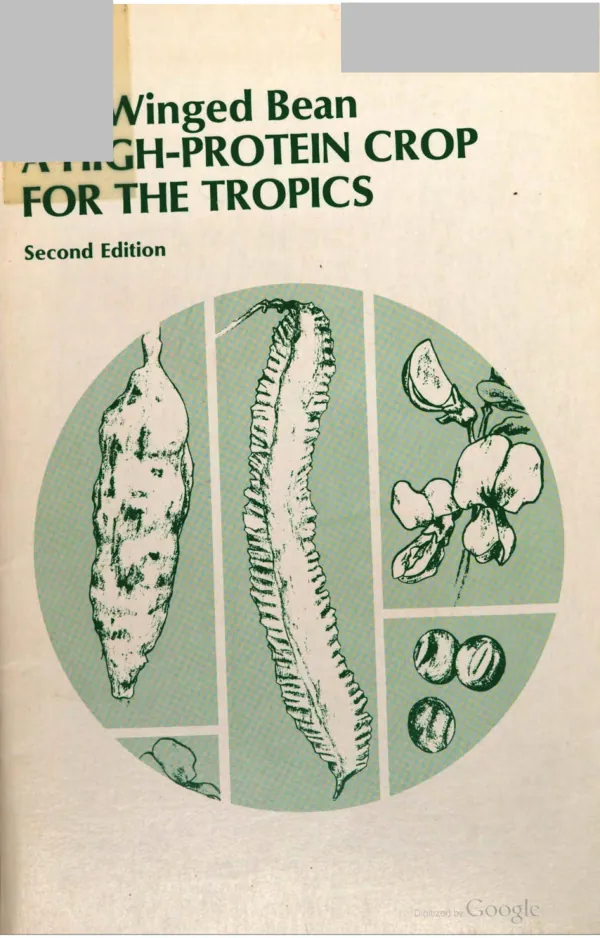
The winged-bean, a high-protein crop for the tropics
Edible legumes are excellent scources of dietary protein and oils.
1970
Sign in to readA free account is required to download.
Abstract
Many nutritionists expect them to play an increasing role in meeting food needs in this time of food shortages and widespread malnutrition. In addition to the major cultivated edible legumes -- soybeans, peanuts (groundnuts), peas, and beans -- there are more than 50 minor tropical legumes that have received little scientific attention (mainly because researchers have concentrated on more conventional crop species, especially cereals). This report focuses on the exceptional promise offered by one of these: the winged bean, Psophocarpus tetragonolobus (L.) DC. Having considered all available information, the panel is persuaded that with research the winged bean can become a significant food crop in the humid tropics. It recommends that a major development effort be undertaken to test it in new areas and to expand the knowledge base that will make possible its most efficient exploitation. Little research has been done on the winged bean; information, therefore, is limited. Today it is grown only as a backyard crop in Papua, New Guinea and Southeast Asia. But these regions are typical of the humid tropical zone that encompasses large belts of Central and South America, the Caribbean, Africa, Oceania, and West Asia, where protein deficiency is high and the plant is still uncommon. The winged bean appears to have great potential for easing the problem of protein malnutrition through the humid tropics.
Related documents