NATIONAL RESEARCH COUNCIL. COMMISSION ON INTERNATIONAL RELATIONS. BOARD ON SCIENCE AND TECHNOLOGY FOR INTERNATIONAL DEVELOPMENT
The winged bean : a high protein crop for the tropics
A 1975 report on the nutritional merits of the winged bean, Psophocarpus tetragonolobus, encouraged the crop"s spread from Papua New Guinea and South East Asia to over 70 countries in the hope that it could become a major plant protein source for the tropics, as soybean is in temperate zones.
1970
Sign in to readA free account is required to download.
Abstract
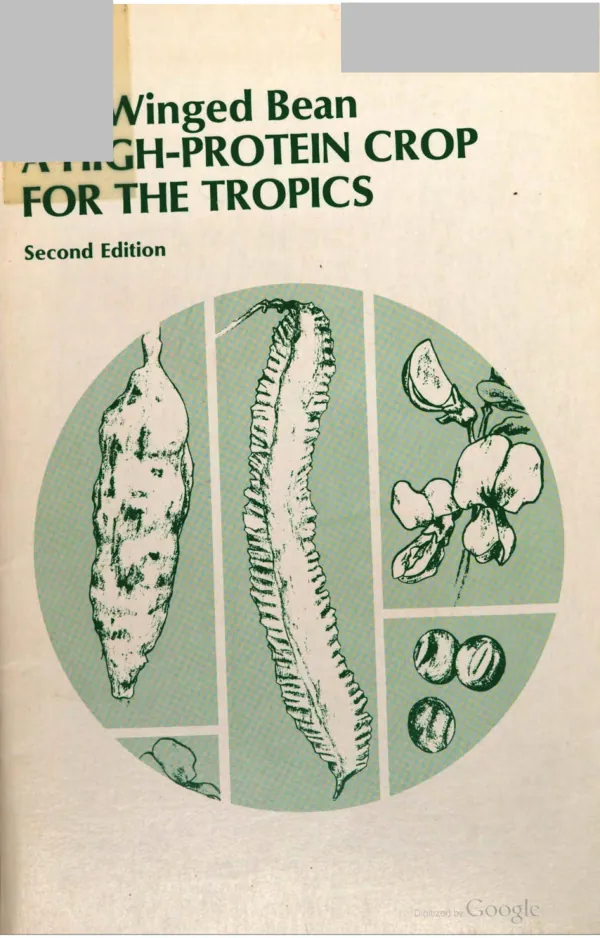
This paper updates the 1975 report and details winged bean"s agronomy, food use, and nutritive value. This "supermarket on a stalk" provides six different foods (leaves, pods, seeds, tubers, flowers, and shoots) while duplicating soybeans nutritionally in regard to their protein, oil, mineral, vitamin, and essential amino acid content. Pods, the most popular part of the plant, can be eaten raw or cooked and have a protein content of 2.4g per 100g. Mature dry seeds contain as much protein and nutritional energy as the soybean and are thought to be more palatable. Tubers have an 8-20% protein content, flowers contain nectar, and leaves have a high tryptophan and vitamin A content. Winged beans thrive in hot humid areas with 2,500 mm or more of annual rainfall, yet some variants are drought resistant and have proven resilient in different climates and soils. In Thailand, as many as 1,000 nitrogen-fixing root nodules have been found on a single plant, demonstrating that exceptional ability to fix nitrogen which results in the plant"s high protein content. The many varieties of winged beans, (e.g., 500 in Thailand, 200 in Bangladesh) display different physical features and nutritional variations among the parts of the plant. The main constraint to winged bean production is the laborious and relatively costly staking process required for increased yields of pods, seeds, and tubers. Commercial processing of the winged bean for tempeh, tofu, flour, gruel, and animal feed is being researched. Further studies of anti-nutritional factors, nematodes, and seed-borne virus diseases are needed. Precautions should be taken with seed introductions and exchanges as virus diseases and nematodes that limit winged bean yields have been discovered in the Ivory Coast, Indonesia, and elsewhere. Appendices include information on winged bean pests and diseases and a 122-item (1906-81) selected readings list.
Related documents