USAID
Tunisia Branding and Positioning Plan
Tunisia's tourism industry has been a significant contributor to the country's economy, with millions of tourists visiting each year.
2021 · 36 pages
Sign in to readA free account is required to download.
Abstract
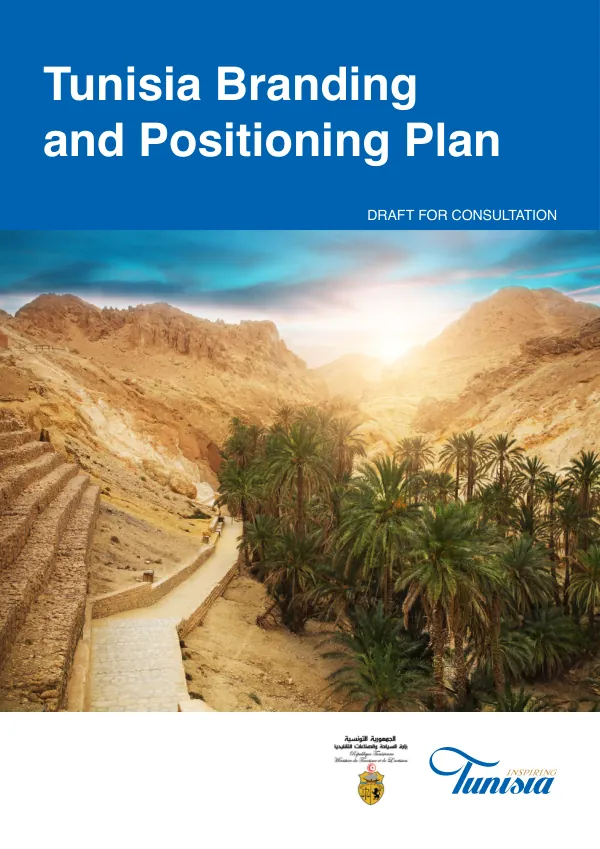
The country's diverse landscapes, beaches, and ancient ruins from the Roman and Phoenician civilizations are major attractions. Tunisia has been a popular destination since the 1960s, with tourists drawn to its cosmopolitan capital city, ancient ruins, and coastal resorts. The country's tourism industry has generated substantial revenue, with 9.4 million arrivals in 2019, over 30 million stays, and nearly $900 million in tourist expenditure. This expenditure accounts for approximately 4% of Tunisia's total imports. The industry's growth has been driven by the country's proximity to Europe, pleasant climate, and year-round tourist season. However, the COVID-19 pandemic has had a devastating impact on Tunisia's tourism industry, with a significant decline in tourist arrivals and expenditure. To recover and attract new markets, an effective branding and positioning plan is required. The plan aims to build a solid inventory of consumer insights, identify the country's assets, and match demand and supply understanding to create positive demand for the country. Tunisia's tourism assets include its geographical regions, such as the Sahara Desert, the Mediterranean coast, and the Atlas Mountains. The country's rich cultural and historical heritage, including ancient ruins and museums, is also a major draw for tourists. Additionally, Tunisia's off-the-beaten-path nature and ease of access to various destinations make it an attractive destination for adventure travelers and cultural explorers. To successfully increase visitation, Tunisia must capture the attention of key target markets and dispel myths about the destination. The key messages focus on geographic location and diversity, untapped experiences, potential for adventure activities, and the rich culture and ancient history of Tunisia. Yearly campaigns can be developed surrounding domestic tourism, international markets, and specific product campaigns. The international campaigns should target key markets in four geographic tiers, focusing on buyer personas with the greatest likelihood to visit Tunisia. The goals for these campaigns should be awareness, leverage for promotion platforms, lead generation, and establishment of Tunisia as a desirable destination. Public and private participation is key to the success of these campaigns, and execution must involve the use of digital tools, modern trade links, and media collaboration. A key objective of the branding and positioning plan is to enhance Tunisia's competitiveness as a tourism destination. To achieve this, the plan aims to help develop a new, fresh travel motivation-based brand and international communication campaigns to launch and promote high-quality, distinctive, scalable, and sustainable alternative tourism products and experiences. These will be marketed directly to consumers and through relevant outbound operators worldwide. A special focus will be put on year-round experiences to encourage tourism arrivals beyond the traditional high season. The plan aims to collaborate with ongoing initiatives to increase awareness for sustainable experiences in Tunisia and to capitalize on the country's rich natural, cultural, and historical endowments to debunk myths and promote the best options for targeted audiences. Consultation with the private sector is key to achieving a diversified industry that supports broad-based growth.
Related documents