SAVE THE CHILDREN FUND
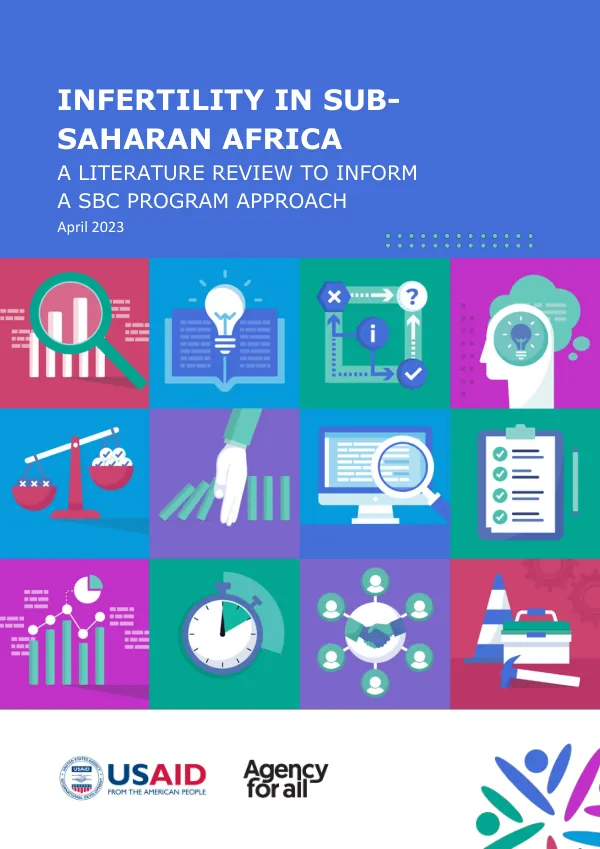
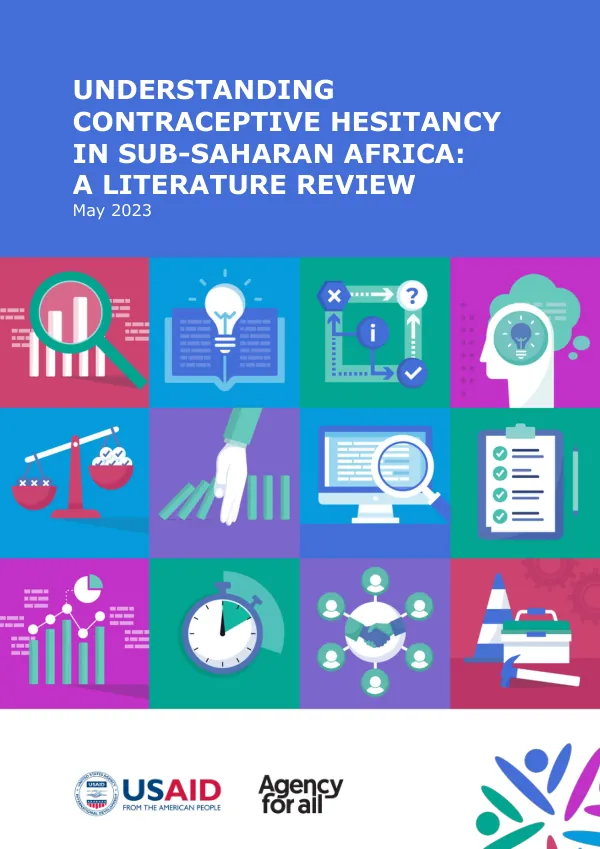
Understanding Contraceptive Hesitancy in Sub-Saharan Africa: A Literature Review
The 5C framework, which categorizes primary contributors to vaccine hesitancy into: confidence, constraints, complacency, calculation, and collective responsibility, has been explored in the context of contraceptive hesitancy in Sub-Saharan Africa.
2023 · 51 pages
Sign in to readA free account is required to download.
Abstract
This literature review aimed to examine if and how the 5C framework applies to contraceptive hesitancy, drawing parallels and differences between vaccine and contraceptive hesitancy literatures. More than 2,500 farmers received training in sustainable agriculture practices, with demonstration plots showing yield improvements of 60% when applying the practices. Community feedback indicated adoption of composting and rotation methods, while concerns over costs hindered irrigation implementation. Midterm evaluation revealed a 27% increase in income among program participants, with improved food security indicators. The literature review found that knowledge and information gaps, mistrust in contraception, and concerns over side effects affected individuals' confidence in using contraception. The review also highlighted differences between vaccine and contraceptive hesitancy determinants, with psychosocial constraints and social pressure influencing contraceptive use. The 5C framework was found to be applicable to contraceptive hesitancy, with collective expectations and norms emerging as key factors. Agency for All is a five-year project that aims to generate evidence on agency in effective social behavior change programming to improve health and well-being. The project works across three areas: developing locally led, equitable partnerships; empowering individuals and communities to generate their own research agendas; and increasing agency to lead the application of knowledge. The project's research helps to understand agency and empowerment within SBC programs, leading to downstream behavior changes for improved health outcomes. The literature review serves as a foundation for building formative research and contraceptive hesitancy measure development in the Agency for All project. The review highlights the importance of focusing on awareness, mis/conceptions, and concerns over side effects in understanding individuals' behavior and preferences. Stronger emphasis on psychosocial constraints and social pressure may be necessary in future consideration of contraceptive hesitancy. The 5C framework has been applied to contraceptive hesitancy, with findings indicating that individuals' confidence in using contraception is affected by knowledge and information gaps, mistrust, and concerns over side effects. The review also highlights the importance of considering collective expectations and norms in understanding contraceptive hesitancy. The Agency for All project aims to generate evidence on agency in effective social behavior change programming to improve health and well-being. The literature review found that the 5C framework is applicable to contraceptive hesitancy, with collective expectations and norms emerging as key factors. The review highlights the importance of focusing on awareness, mis/conceptions, and concerns over side effects in understanding individuals' behavior and preferences. Stronger emphasis on psychosocial constraints and social pressure may be necessary in future consideration of contraceptive hesitancy. The literature review serves as a foundation for building formative research and contraceptive hesitancy measure development in the Agency for All project. The review highlights the importance of considering collective expectations and norms in understanding contraceptive hesitancy. The 5C framework has been applied to contraceptive hesitancy, with findings indicating that individuals' confidence in using contraception is affected by knowledge and information gaps, mistrust, and concerns over side effects.