BANK FOR WEST AFRICAN DEVELOPMENT
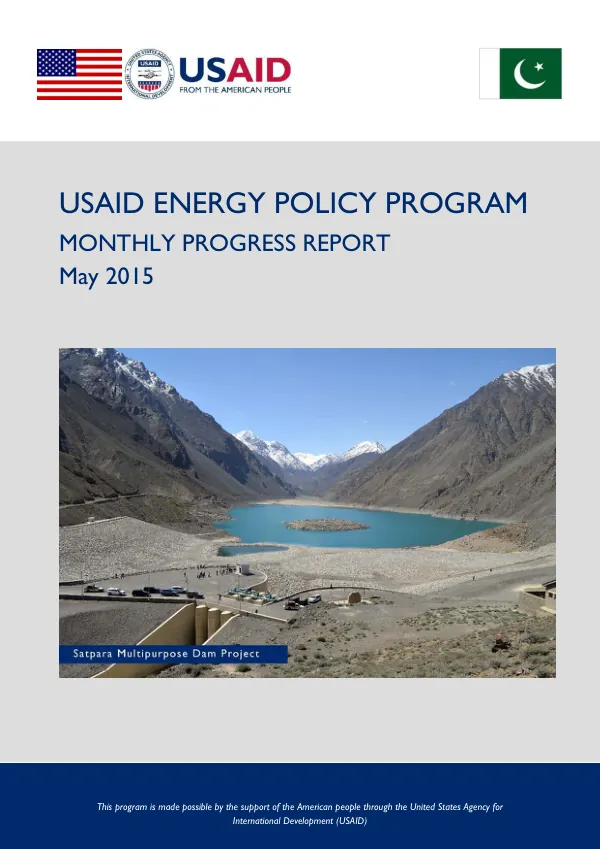
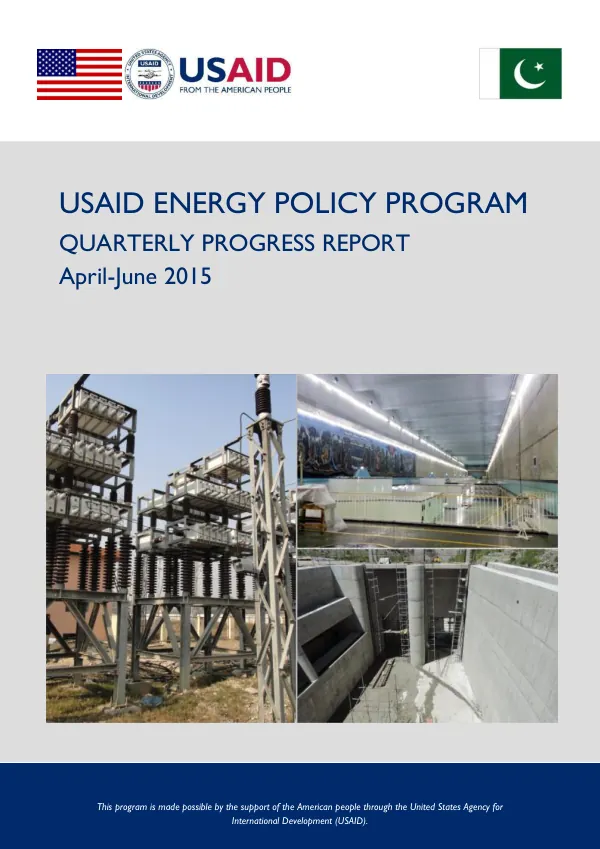
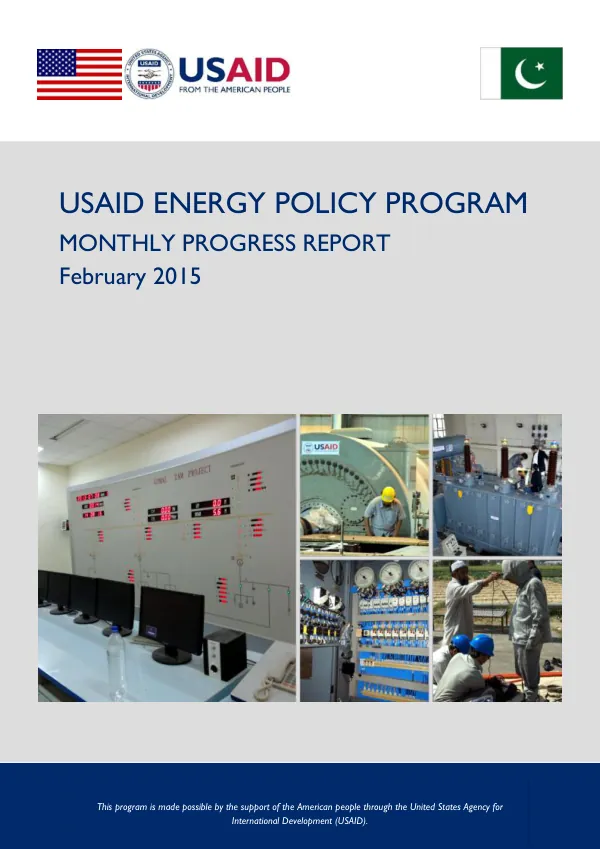
USAID/Pakistan: Energy Policy Project Quarterly Performance Report - 1
The on-going economic and energy crisis in Pakistan requires both immediate and long-term measures to overcome the pressing energy shortage.
2010 · 54 pages
Sign in to readA free account is required to download.
Abstract
The lack of an integrated energy policy and implementation plan has resulted in the lack of new significant generation additions since 2000. As a result, Pakistan cannot meet its energy power requirements, resulting in a shortage of power estimated to be around 4,000 MWs. This has led to regular major load shedding and rolling blackouts, negatively affecting the industrial sector and balance of payments, and curtailing electric supply to critical services such as hospitals and schools. The causes of Pakistan's energy shortage have been identified as a lack of cohesive and integrated energy policy and resource planning, a lack of effective regulations, and the need to rationalize energy and electricity tariffs. To address these weaknesses, USAID will provide technical assistance to help Pakistan develop an integrated energy policy and develop consensus on its implementation. The USAID Energy Policy (EP) Project complements the efforts of the Asian Development Bank, World Bank, and other significant donors, while directly addressing areas highlighted by the Government of Pakistan as requiring significant contributions. The EP Project is also assisting the USAID Mission in identifying measures to quickly enhance the generation performance of existing hydro and thermal power facilities. This includes promoting sustainability through efforts to improve operational maintenance and assisting the Mission and Government of Pakistan in evaluating promising new projects. The project aims to provide more long-term and cost-effective solutions to Pakistan's energy sector needs. Key highlights of the project include a meeting between EP staff and USAID Mission personnel with Pakistan Electric Power Company (PEPCO) and thermal power plant officials. Consultants from Grant Thornton presented reports assessing the managerial and financial capacities of the three thermal plants to operate under Fixed Amount Reimbursable Agreements (FARAs). Public sector counterparts agreed with the conclusions of the report. Additionally, a senior energy policy expert hired by EP made a presentation to high-level Government of Pakistan stakeholders on 'Carbon Capture and Storage', which was well received by public sector managers. EP staff also made visits to the Gomal Zam and Satpara multipurpose dam projects to assess the pace of completion and carry out 'due diligence' on behalf of USAID. Detailed reports on these assessment visits were prepared by EP and submitted to the Mission. Furthermore, EP visited sites in the Sindh province proposed by the Government of Pakistan for setting up a wind power project, holding detailed meetings with officials of the Alternative and Development Energy Board. These efforts demonstrate the project's commitment to addressing Pakistan's energy crisis and promoting sustainable solutions.