USAID
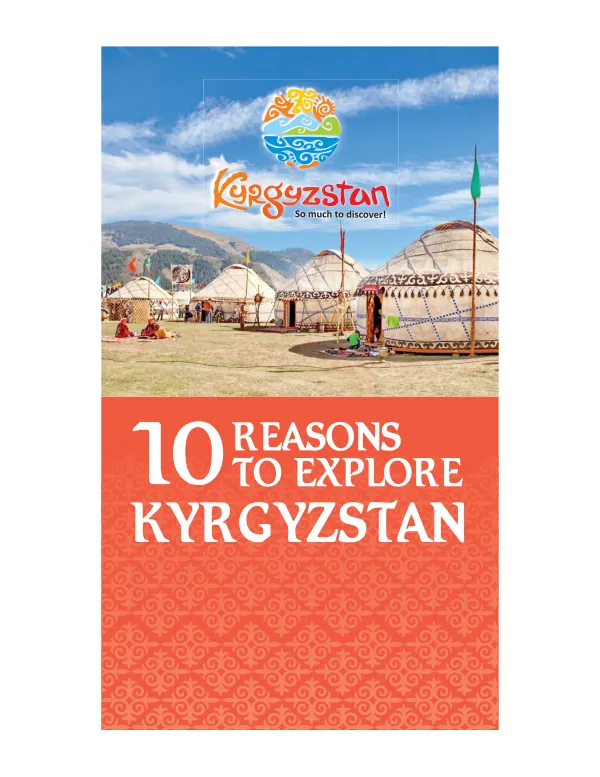
10 reasons to explore Kyrgyzstan
The Kyrgyz Republic's diverse geography encompasses vast mountain ranges, including the Tian Shan and Pamir mountain systems.
12 pages
Sign in to readA free account is required to download.
Abstract
The country's terrain is characterized by rugged peaks, deep valleys, and numerous lakes. The Tian Shan mountain range, which stretches across the country, is home to several peaks exceeding 7,000 meters in height. The highest peak, Jengish Chokusu, reaches an elevation of 7,439 meters. The country's mountainous terrain has a significant impact on the local climate. The high-altitude regions experience a cold, continental climate, with long, harsh winters and short, mild summers. In contrast, the lower-lying areas have a more temperate climate, with warmer summers and colder winters. The country's diverse geography and climate support a wide range of flora and fauna, including rare and endangered species. The Kyrgyz Republic's economy is heavily reliant on agriculture, with livestock breeding and dairy farming being major contributors. The country's fertile valleys and pastures support a significant number of livestock, including sheep, goats, and cattle. The agricultural sector also includes the production of crops such as wheat, barley, and potatoes. The country's natural resources, including gold, copper, and coal, also play a significant role in the economy. The Kyrgyz Republic has a rich cultural heritage, with a blend of nomadic and settled traditions. The country's history dates back to the ancient Silk Road, with evidence of human habitation dating back to the Neolithic period. The Kyrgyz people have a strong tradition of hospitality, with guests being treated with great respect and generosity. The country's cuisine is also notable, with dishes such as beshbarmak (noodle soup) and kuyrdak (boiled meat) being popular. The Kyrgyz Republic has a complex system of governance, with a president serving as head of state and a prime minister as head of government. The country has a multi-party system, with several parties represented in the parliament. The country's economy is also subject to significant external influences, with the country being a member of the Eurasian Economic Union and the World Trade Organization. The Kyrgyz Republic has a diverse population, with several ethnic groups represented, including the Kyrgyz, Uzbek, and Russian. The country's language is Kyrgyz, with Russian and Uzbek also being widely spoken. The country's education system is well-developed, with a range of institutions offering higher education programs. The country's healthcare system is also well-developed, with a range of medical facilities and services available. The country's tourism industry is also developing, with visitors drawn to the country's natural beauty, cultural heritage, and hospitality. The country's capital, Bishkek, is a major tourist destination, with a range of attractions including the State Historical Museum and the Ala-Too Square. The country's natural beauty, including the Tian Shan and Pamir mountain ranges, is also a major draw for tourists. The country's education system is well-developed, with a range of institutions offering higher education programs. The country's healthcare system is also well-developed, with a range of medical facilities and services available. The country's population is also growing, with a high birth rate and a relatively low mortality rate. The Kyrgyz Republic has a complex system of governance
Related documents