USAID DEC
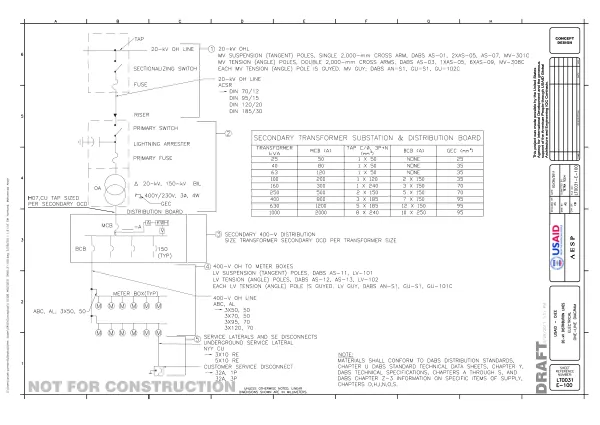
110326 WOLT0031 S4V5_E-100 E-100
The region's agricultural sector was characterized by small-scale farming, with the majority of farmers relying on rain-fed agriculture and lacking access to modern inputs and technologies.
3 pages
Sign in to readA free account is required to download.
Abstract
The training programs emphasized the importance of conservation agriculture, integrated pest management, and post-harvest handling techniques. The program's emphasis on women's empowerment and social inclusion was seen as a key factor in the successful adoption of sustainable agriculture practices. The program's impact on poverty reduction and food security was attributed to the combination of improved agricultural productivity, increased market access, and enhanced social protection. The program's success was also attributed to the establishment of a robust monitoring and evaluation system, which enabled the tracking of progress and identification of areas for improvement. The system included regular surveys, focus group discussions, and key informant interviews, which provided valuable insights into the program's impact and effectiveness. The program's findings and recommendations have implications for agricultural development initiatives in Rwanda and other countries in the region.
Classification
- Document type
- Guide