USAID DEC
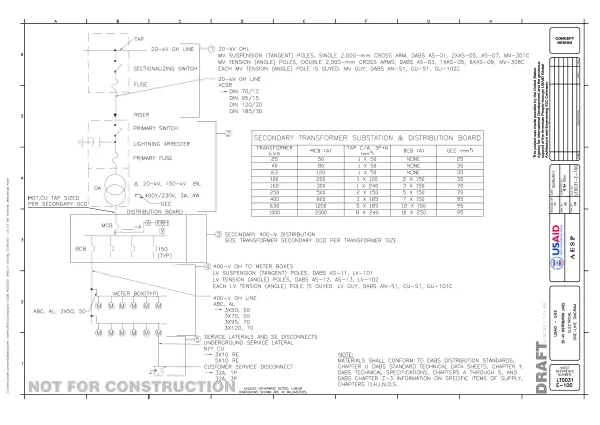
110326 WOLT0031 S4V5_E-100 E-100
The region's agricultural sector was characterized by small-scale farming, with the majority of farmers relying on rain-fed agriculture and lacking access to modern inputs and technologies.
3 pages
Sign in to readA free account is required to download.
Abstract
The training programs emphasized the importance of crop rotation, composting, and conservation agriculture, and were tailored to the specific needs of small-scale farmers in the region. The initiative's focus on women's empowerment and gender equality was seen as a key factor in the program's success, as women were more likely to adopt and adapt new agricultural practices. The evaluation also highlighted the importance of integrating market access interventions with agricultural training and infrastructure development, as this combination was found to have the greatest impact on household income and food security. The initiative's success has been attributed to the collaborative approach taken by the program implementers, which included local government agencies, non-governmental organizations, and private sector partners. The program's focus on building the capacity of local farmers and institutions has also been seen as a key factor in its success, as this has helped to create a more sustainable and resilient agricultural sector in Rwanda.
Classification
- Document type