ENVIRONMENTAL INCENTIVES, LLC
20 Essential Resources for Population, Health, and Environment (PHE) Programs
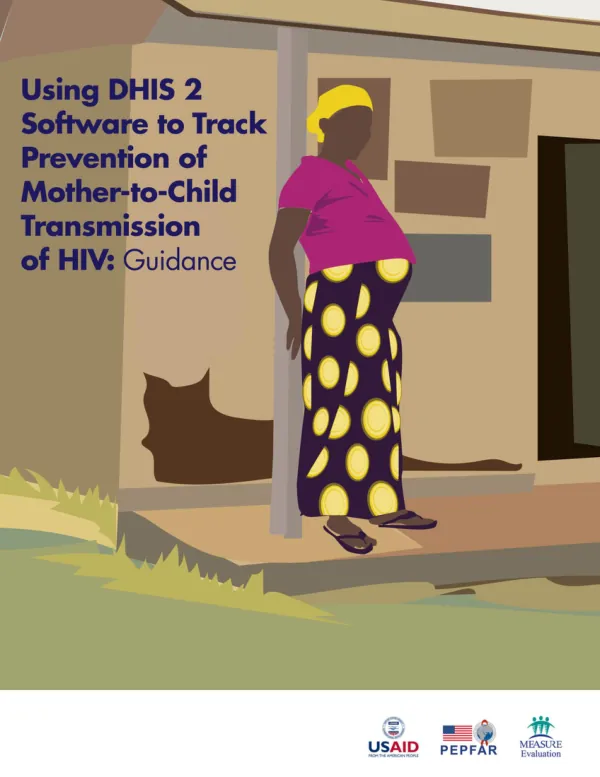
Population, Health, and Environment (PHE) is an integrated community-based approach that recognizes the relationships between people's health and the environment.
2021 · 24 pages
Sign in to readA free account is required to download.
Abstract
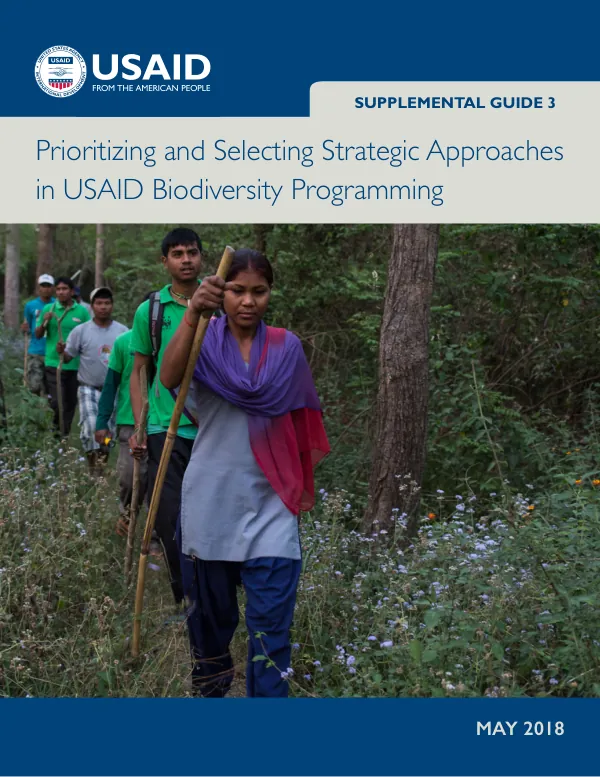
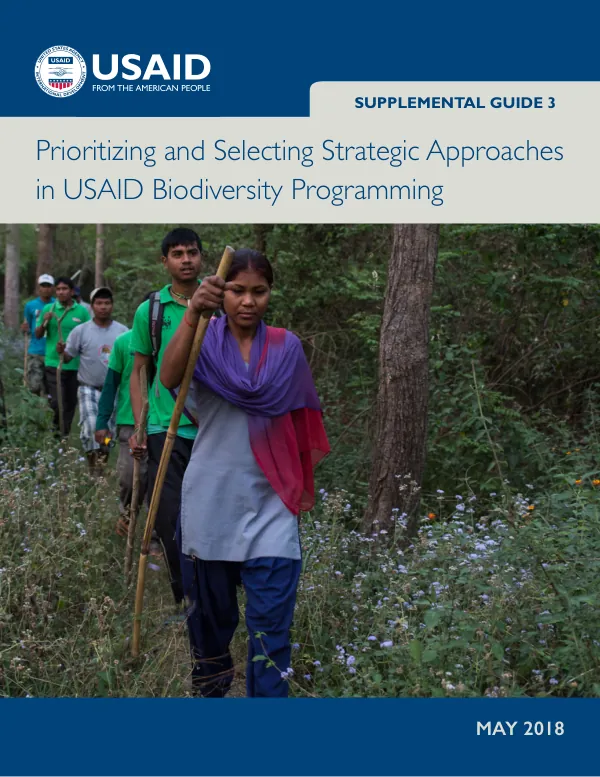
This multi-sectoral approach strives to improve voluntary family planning and reproductive health care and conservation and natural resource management within communities living in ecologically rich areas of the globe. Access to voluntary family planning enables couples to decide whether, when, and how many children to have, resulting in healthier women, children, and communities. Along with increased access to education, family planning can also contribute to slowing population growth and therefore may lessen pressure on natural resources. The PHE approach also encourages communities to engage in sustainable practices to preserve their ecosystems. The PHE approach integrates health and voluntary family planning into conservation projects, developing a harmony that improves the health of both people and the ecosystems. This approach is designed for those who are starting work in a new area or who might be adding on a health or population component to an existing project, incorporating the lessons learned from various PHE projects. Experts in the family planning sector have developed a set of evidence-based practices known as Family Planning High Impact Practices (HIPs) that improve voluntary family planning and related reproductive health program outcomes. HIPs can also be applied in development programs that integrate multiple sectors at the community level, including voluntary family planning. The United States Agency for International Development (USAID) has been a strong supporter of Population, Health, and Environment (PHE) activities for over two decades and established a Population-Environment program to allocate funds for voluntary family planning and reproductive health care in areas where population growth threatens biodiversity or endangered species. In an effort to strengthen the evidence base about integrated programming, this report synthesizes the documentation around three distinct topics. The PHE eLearning course was developed by the Population Reference Bureau and is one course within the cross-cutting certificate program on the Global Health eLearning Center, a platform aimed at increasing knowledge in a variety of global health technical areas. This course introduces learners to the fundamentals of the PHE approach, including PHE relationships, benefits of PHE integration, program considerations, the PHE policy and advocacy landscape, and how the PHE approach can contribute to global development priorities, such as the Sustainable Development Goals and Family Planning 2020, in an efficient and effective way. The Evidence Project, led by the Population Council, examined and summarized available evidence from integrated Population, Health, and Environment (PHE) projects to document what they are measuring and/or not measuring, assess the current state of PHE project monitoring and evaluation, and identify gaps in evaluation and research for current and future PHE projects to improve upon. Forty-three documents from 35 projects were reviewed in conducting this synthesis. The manual "Healthy People, Healthy Ecosystems Projects" outlines how the Population, Health, and Environment (PHE) approach integrates health and voluntary family planning into conservation projects, developing a harmony that improves the health of both people and the ecosystems. This manual reviews the why, what, and how of PHE projects, providing a general overview of the types of health and family planning activities in a PHE project and reviews the basic information a conservation practitioner needs to know in order to start planning a project. The report "PHE as a Biodiversity Conservation Strategic Approach" synthesizes the documentation around three distinct topics, including improving program design by demonstrating the causal pathways between PHE projects and their stated goals, providing a synthesis of the indicators used by PHE programs to assess their biodiversity conservation impacts, and summarizing major assumptions that underpin PHE activities. In addition, the report provides recommendations for improving biodiversity outcomes and monitoring for missions considering this integrated approach.