USAID DEC
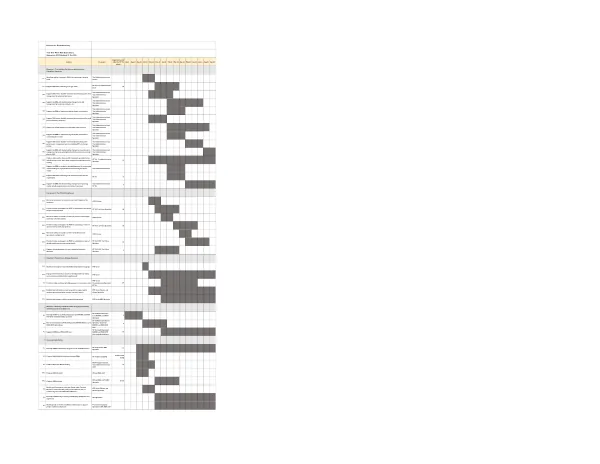
2013-2014 Project Work Plan Attachment D: Illustration of Pilot Project Development Pipeline
Sign inADVANCED ENGINEERING ASSOCIATES INTERNATIONAL, INC. /SGGA
2013-2014 Project Work Plan Attachment D: Illustration of Pilot Project Development Pipeline
The USAID Enterprise Energy Efficiency (3E) program aims to promote energy efficiency in the industrial sector of developing countries.
2013 · 3 pages
Sign in to readA free account is required to download.
Abstract
The program focuses on providing technical assistance and financing to small and medium-sized enterprises (SMEs) to help them adopt energy-efficient technologies and practices. The program's target countries include India, Indonesia, and Vietnam, where energy consumption is growing rapidly and energy efficiency is critical to reducing greenhouse gas emissions. The 3E program's approach involves a phased development pipeline, which includes identification, assessment, and implementation of energy efficiency projects. The pipeline is designed to ensure that projects are carefully selected, assessed, and implemented to maximize their impact and sustainability. The program's technical assistance includes conducting energy audits, developing energy efficiency action plans, and providing training and capacity building for SMEs. One of the key components of the 3E program is the development of a project development pipeline, which is illustrated in Attachment D. The pipeline consists of four stages: project identification, project assessment, project development, and project implementation. The pipeline is designed to ensure that projects are carefully selected and implemented to maximize their impact and sustainability. The 3E program also focuses on providing financing to SMEs to support the adoption of energy-efficient technologies and practices. The program works with financial institutions to provide loans and other financial instruments to SMEs to help them invest in energy-efficient technologies and practices. The program's financing component is designed to help SMEs overcome the financial barriers to adopting energy-efficient technologies and practices. The 3E program's target countries have significant potential for energy efficiency improvements. In India, for example, the industrial sector accounts for over 30% of the country's energy consumption, and energy efficiency improvements can help reduce greenhouse gas emissions and improve energy security. In Indonesia, the industrial sector is growing rapidly, and energy efficiency improvements can help reduce energy consumption and greenhouse gas emissions. In Vietnam, the industrial sector is also growing rapidly, and energy efficiency improvements can help reduce energy consumption and greenhouse gas emissions. The 3E program's work plan for 2013-2014 includes several key activities, including the development of a project development pipeline, provision of technical assistance to SMEs, and provision of financing to SMEs. The program's work plan is designed to ensure that projects are carefully selected and implemented to maximize their impact and sustainability. The program's target countries have significant potential for energy efficiency improvements, and the 3E program is well-positioned to help them achieve their energy efficiency goals.