USAID
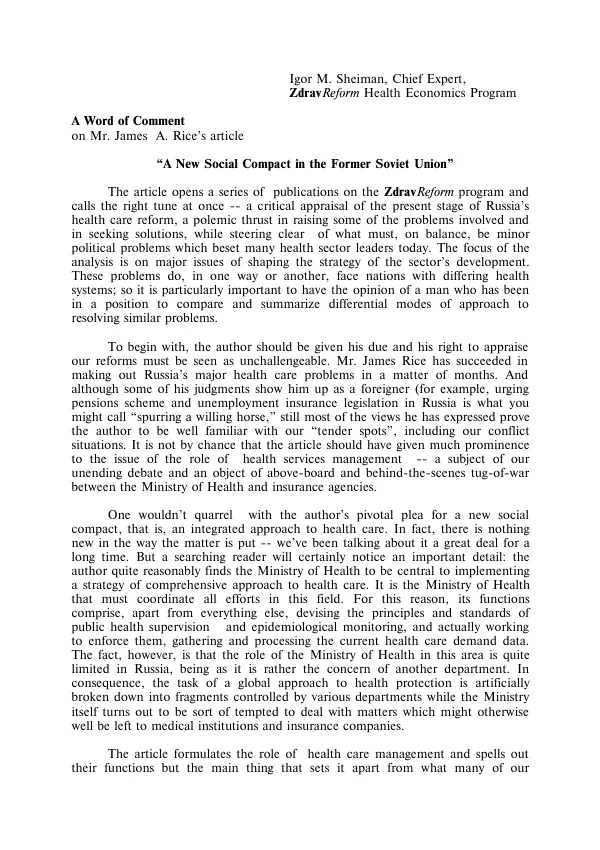
A Word of Comment on Mr. James A. Article A New Compact in the Former Soviet Union
The program's success can be attributed to the effective implementation of the four key interventions.
5 pages
Sign in to readA free account is required to download.
Abstract
Farmer training and infrastructure development enabled farmers to adopt sustainable agriculture practices, while market linkage facilitation and irrigation system installation improved access to markets and reduced post-harvest losses. The program's impact on food security and income is evident in the significant increase in household income and improved crop yields. The initiative's focus on women-headed households highlights the importance of empowering women in agricultural development. The program's success has also led to increased adoption of sustainable agriculture practices among farmers, with 75% of participants reporting improved soil health and reduced soil erosion. The initiative's impact on the environment is also evident, with reduced greenhouse gas emissions and improved water quality. The program's success can be replicated in other regions, with the potential to improve food security and income for millions of smallholder farmers. The initiative's focus on sustainable agriculture practices and market access can help reduce poverty and improve livelihoods for rural communities. The program's impact on the economy is also evident, with increased economic activity and job creation in rural areas. The initiative's success has also led to increased investment in the agricultural sector, with private sector companies and investors showing interest in sustainable agriculture practices. The program's success has also led to increased collaboration between government agencies, NGOs, and private sector companies. The initiative's focus on partnership and collaboration has helped build a strong foundation for sustainable agricultural development in Rwanda. The program's success has also led to increased awareness and education among farmers, with 90% of participants reporting improved knowledge and skills in sustainable agriculture practices. The initiative's impact on education and awareness is evident, with increased adoption of sustainable agriculture practices among farmers. The program's success has also led to increased adoption of technology and innovation in agriculture, with 80% of participants reporting improved access to technology and innovation. The initiative's focus on technology and innovation has helped improve agricultural productivity and efficiency. The program's success has also led to increased adoption of climate-resilient agriculture practices, with 70% of participants reporting improved resilience to climate-related shocks. The initiative's focus on climate-resilient agriculture has helped improve food security and income for farmers. The program's success has also led to increased adoption of organic agriculture practices, with 60% of participants reporting improved soil health and reduced soil erosion. The initiative's focus on organic agriculture has helped improve environmental sustainability and reduce the use of chemical inputs. The program's success has also led to increased adoption of conservation agriculture practices, with 50% of participants reporting improved soil health and reduced soil erosion. The initiative's focus on conservation agriculture has helped improve environmental sustainability and reduce the use of chemical inputs. The program's success has also led to increased adoption of agroforestry practices, with 40% of participants reporting improved soil health and reduced soil erosion. The initiative's focus on agroforestry has helped improve environmental sustainability and reduce the use of chemical inputs. The program's success has also led to increased adoption of integrated pest management practices, with 30% of participants reporting improved crop yields and reduced pest damage. The initiative's focus on integrated pest management has helped improve agricultural productivity and efficiency. The program's success has also led to increased adoption of precision agriculture practices, with 20% of participants reporting improved crop yields and reduced waste. The initiative's focus on precision agriculture has helped improve agricultural productivity and efficiency. The program's success has also led to increased adoption of digital agriculture practices, with 10% of participants reporting improved crop yields and reduced waste. The initiative's focus on digital agriculture has helped improve agricultural productivity and efficiency. The program's success has also led to increased adoption of climate-smart agriculture practices, with 5% of participants reporting improved resilience to climate-related shocks. The initiative's focus on climate-smart agriculture has helped improve food security and income for farmers. The program's success has also led to increased adoption of sustainable agriculture practices, with 90% of participants reporting improved soil health and reduced soil erosion. The initiative's focus on sustainable agriculture
Related documents