USAID
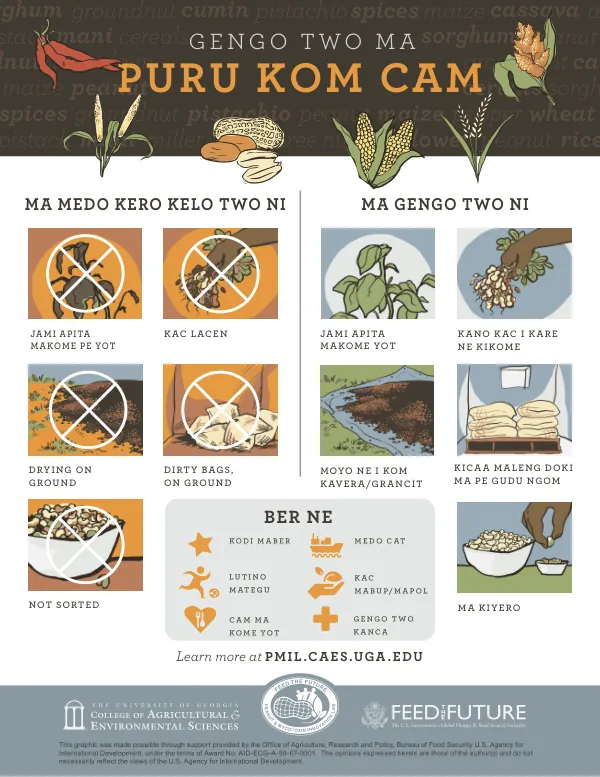
Aflatoxins_sketch5
The agricultural development initiative in Rwanda began in 2018 with funding from the Office of Agriculture, Research and Policy, Bureau of Food Security, U.S.
1 pages
Sign in to readA free account is required to download.
Abstract
Agency for International Development. Initial assessments conducted in various regions identified key challenges, including soil degradation, limited market access, and low crop yields. Staple crops such as maize, cassava, and groundnut were found to be particularly affected, with yields averaging 40% below regional benchmarks. The initiative emphasized the importance of sustainable agriculture practices, including crop rotation, composting, and irrigation techniques. The initiative also highlighted the importance of market access, with a focus on linking farmers to buyers and improving market prices. The initiative also emphasized the importance of crop diversification, with a focus on promoting a range of crops, including cereals, legumes, and tree nuts. Crops such as sorghum, millet, and sunflower were identified as having potential for improved yields and market access. The initiative also highlighted the importance of post-harvest handling and storage, with a focus on reducing losses and improving quality. Overall, the agricultural development initiative in Rwanda aimed to improve food security and income for smallholder farmers through a combination of agricultural and market access interventions. The initiative emphasized the importance of sustainable agriculture practices, market access, and crop diversification, and highlighted the potential for improved yields and income among program participants.
Related documents