UNIVERSITY OF MARYLAND
onehandful CL 4
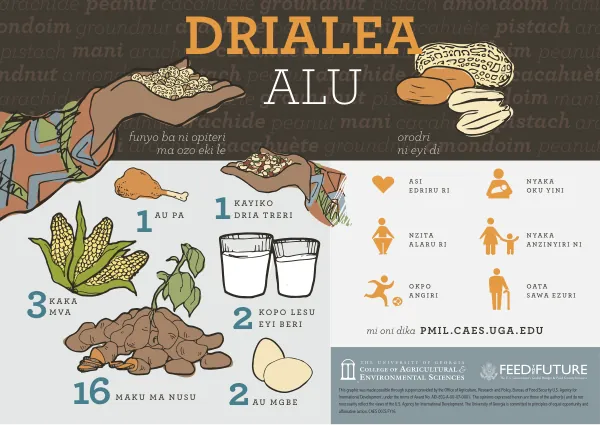
Arachide, cacahuète, pistach, mani, peanut, groundnut, amondoim, ara, ondoim, arachide, pistach, groundnut, cacahuète, peanut, arachide, pistach, amondoim, mani, groundnut, cacahuète, peanut, arachide, cacahuète, pistach, mani, peanut, groundnut, amondoim, ara, ondoim, arachide, pistach, mani, groundnut, cacahuète, peanut, arachide, pistach, amondoim, mani, groundnut, cacahuète, peanut are various names for the same legume, primarily cultivated for its edible seeds.
1 pages
Sign in to readA free account is required to download.
Abstract
The plant is native to Africa and Asia, with a long history of domestication and cultivation. The legume is a key crop in many developing countries, providing a vital source of protein and income for small-scale farmers. In some regions, it is a staple food, while in others, it is used as a cash crop. The plant is relatively drought-tolerant and adaptable to a range of soil types, making it an attractive crop for farmers in areas with limited resources. Research has shown that the legume has several benefits for farmers and the environment. It has a high nitrogen-fixing ability, which reduces the need for synthetic fertilizers and improves soil fertility. The plant also has a deep taproot, which helps to stabilize soil and prevent erosion. Additionally, the legume has been shown to have medicinal properties and is used in traditional medicine in some cultures. In terms of production, the legume is typically grown in tropical and subtropical regions, with the majority of production coming from Africa and Asia. The crop is usually planted in the rainy season and harvested in the dry season, with yields ranging from 1-3 tons per hectare. The seeds are then processed and sold as a commodity, with the majority being used for human consumption. The University of Georgia has conducted research on the legume, with a focus on improving yields and reducing production costs. The research has involved the development of new crop varieties, as well as the implementation of best management practices for farmers. The findings of the research have been published in various scientific journals and have been presented at international conferences. The legume is an important crop for food security and poverty reduction in many developing countries. Its adaptability, high yields, and medicinal properties make it an attractive crop for farmers, while its environmental benefits make it an attractive option for policymakers. Further research is needed to improve our understanding of the legume and to develop new technologies and practices that can help to increase its production and utilization.
Related documents