USAID DEC
Albania Road Map
The geographical region of Albania is characterized by a diverse landscape, with mountains, hills, and coastal areas.
2011 · 2 pages
Sign in to readA free account is required to download.
Abstract
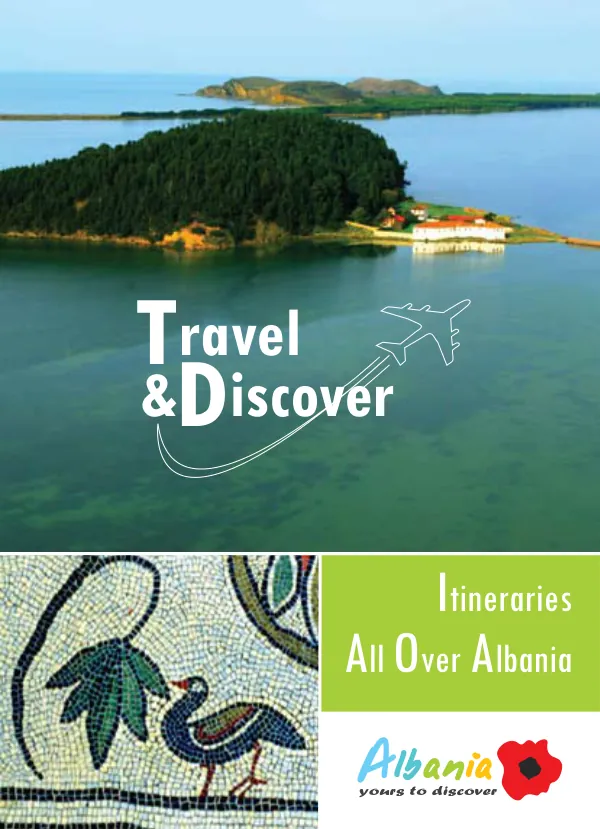
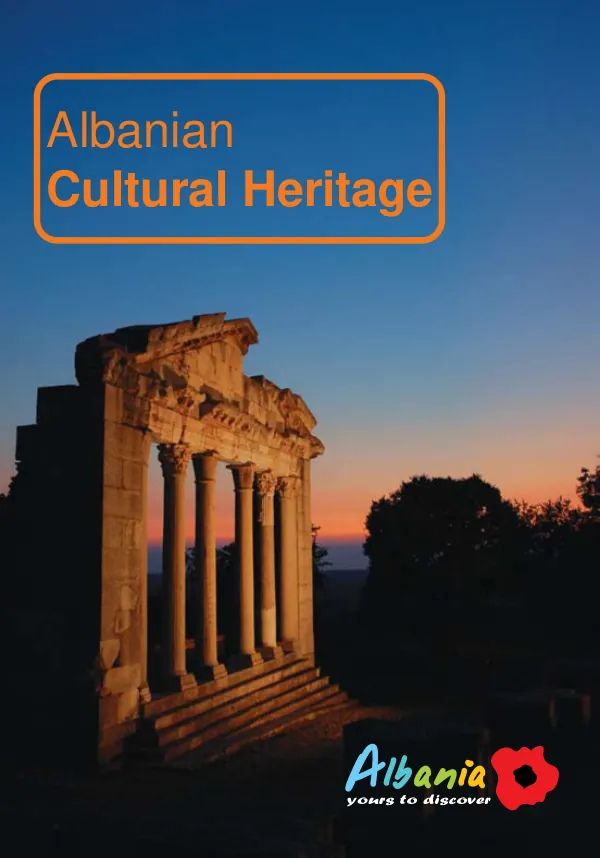
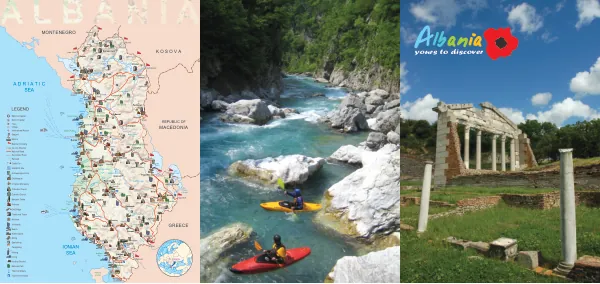
The country's terrain is marked by the presence of numerous lakes, including Lake Ohrid, Lake Prespa, and Lake Shkodra. These lakes are significant not only for their natural beauty but also for their importance in the country's ecosystem and economy. The region is also home to several major rivers, including the Drini River, which flows through the country and empties into the Adriatic Sea. The Drini River is a vital source of water for irrigation, drinking, and industrial purposes. Other notable rivers in the region include the Vjosë River, which flows through the Vlorë Bay, and the Mat River, which flows through the Shkodra Lake. Albania's coastline along the Adriatic Sea is approximately 476 kilometers long and features several bays, including the Vlorë Bay, the Durrës Bay, and the Karavasta Lagoon. The country's coastal areas are known for their natural beauty, with numerous beaches, coves, and islands. The Ionian Sea, which borders Albania to the southwest, is also an important feature of the region's geography. The region's geography has played a significant role in shaping the country's history, culture, and economy. The mountains and hills have provided a natural barrier against invaders, while the coastal areas have facilitated trade and commerce. The lakes and rivers have supported agriculture and fishing, which have been important industries in the region for centuries. In terms of human settlement, the region is home to numerous towns, villages, and cities, including the capital city of Tirana. Other major cities in the region include Durrës, Vlorë, and Shkodra. The region is also home to several UNESCO World Heritage Sites, including the ancient city of Butrint and the medieval town of Gjirokastra. The region's natural resources, including its lakes, rivers, and coastal areas, have also played a significant role in shaping the country's economy. The country's fishing industry is an important sector, with many fishermen operating in the Adriatic Sea and the Ionian Sea. The country's agricultural sector is also significant, with many farmers relying on the lakes and rivers for irrigation. In recent years, the region has seen significant investment in tourism, with many visitors drawn to the country's natural beauty, rich history, and cultural heritage. The region's tourism industry is expected to continue to grow in the coming years, with many new hotels, resorts, and tourist facilities being built to cater to the increasing number of visitors. Overall, the geographical region of Albania is a unique and diverse area, with a rich history, culture, and natural beauty. The region's lakes, rivers, and coastal areas have played a significant role in shaping the country's economy and way of life, and continue to be an important part of the country's identity and heritage.