USAID DEC
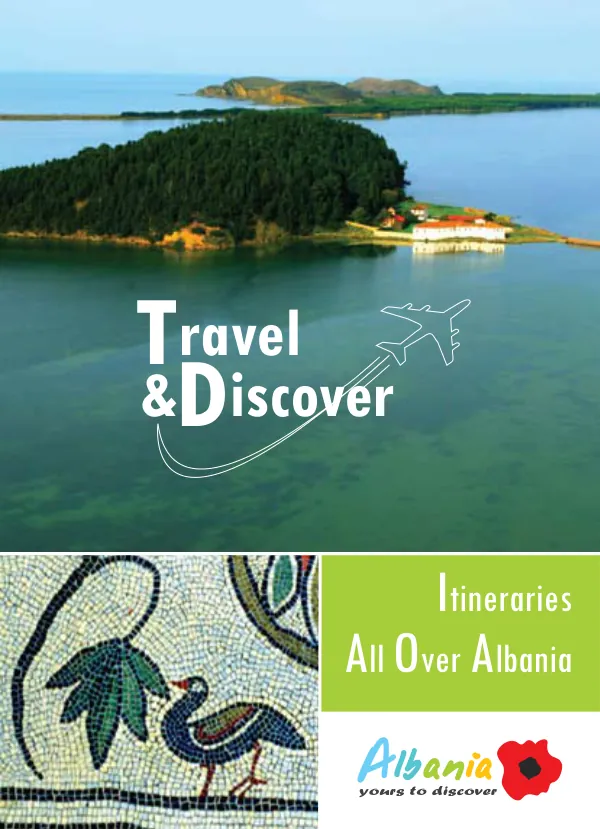
Itineraries all over Albania
Albania's diverse geography and rich history offer a wide range of experiences for visitors.
2011 · 110 pages
Sign in to readA free account is required to download.
Abstract
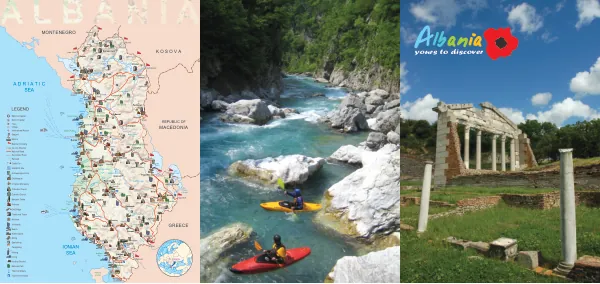
The country's Ionian coastline stretches from north to south, providing numerous opportunities for exploration. For those seeking an active holiday, Albania offers many attractions, including mountain treks, deep valleys, national parks, lakes, archaeological sites, museum cities, castles, and the coastline. Saranda, a seaport located on a natural shelf facing the island of Corfu, is a key destination. The city's name originates from the Forty Saints, an old Christian monastery, and its ancient Greek name was Onchesmos. Prior to Byzantine rule, the city was known as Onchesmos, named after the father of the Trojan prince Aeneas. The city lies at the southern tip of Albania's Ionian coastline and features a pleasant avenue lined with palm trees and pebbled beaches. The ancient city of Onhezmi, destroyed in the 5th century AD by invading barbarians, is located in the city center. A synagogue was uncovered in the same area in 2002. Just 2 km south of Saranda, the Castle of Lëkurs stands atop a massive hill. Built by Sultan Suleiman during his military campaign against Corfu, the castle now houses a restaurant offering a rich cuisine and breathtaking views of the Ionian Sea. The coastline changes its appearance as visitors head south, with four small islands emerging in the Ksamili area. These islands are covered in Mediterranean vegetation and surrounded by marine flora and fauna. A salt lake, known as Pelodes in antiquity, lies inland near Butrinti and connects with the sea through the channel of Vivar. This lake is a habitat for a large number of sea birds. Butrinti, an ancient city located 18 km south of Saranda, is the most important archaeological site in Albania and a UNESCO World Heritage Site. The city's name has been well known since the 7th century BC as the most important city of Epirus. According to Dionysius of Halicarnassus, the building of Butrinti was linked to the presence of the Trojan prince Aeneas during his travel to the temple of Dodona. The Roman poet Virgil also mentions the visit of Aeneas to Butrinti in his poem, "The Aeneid." The city features many sights, including the Temple of Asclepius, a 1,500-seat theater, the Baptismal, and the nymphet. Butrinti is renowned for its marvelous ecological system, with the ruins and buildings standing amidst a subtropical jungle. As visitors depart from Saranda, the national highway leads to the unique city of Gjirokastra, located 56 km away. On the way, travelers will find Finiqi, the capital of the Kingdom of Epirus, which was founded in the 4th century BC. Finiqi is a significant archaeological site, featuring a medieval castle and a number of ancient buildings. The city's architecture is a blend of ancient and medieval styles, reflecting its rich history. Gjirokastra, a UNESCO World Heritage Site, is known for its well-preserved Ottoman-era architecture and its stunning natural surroundings. The city's old town features a number of narrow streets and alleys, lined with traditional houses and shops.
Related documents