NATIONAL RESEARCH COUNCIL. OFC. OF INTERNATIONAL AFFAIRS. BOARD ON SCIENCE AND TECHNOLOGY FOR INTERNATIONAL DEVELOPMENT
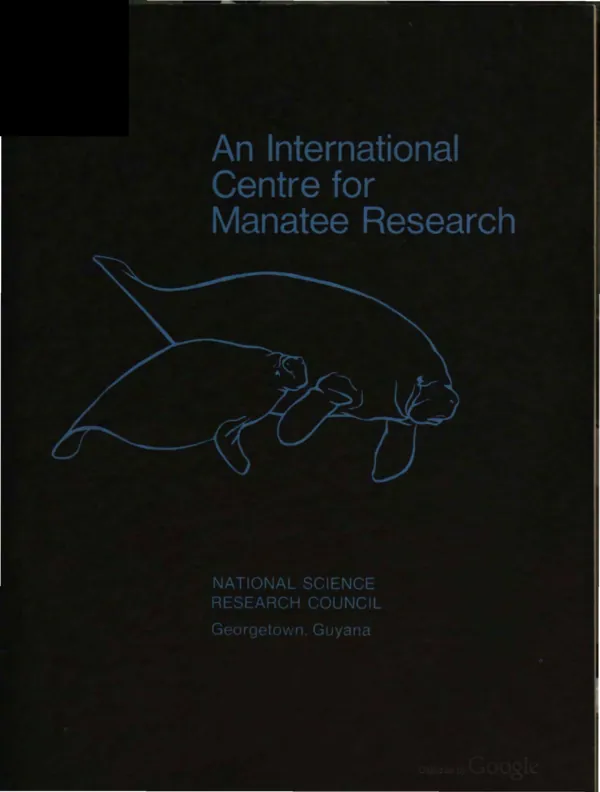
An international centre for manatee research
Tropical food production is often directly hampered by aquatic weed infestation in rivers, man-made lakes, and irrigation schemes.
1970
Sign in to readA free account is required to download.
Abstract
The weeds impede navigation, irrigation, drainage and hydroelectricity production. Manatees may offer a significant approach to overcome this problem. Native to more than 40 tropical countries of the Americas and Africa, manatees or sea cows are the world"s only herbivorous, totally aquatic mammals. Their voracious appetite for plants has been turned to good use in Guyana, South America, where they have been introduced into canals and have effectively cleared aquatic weed infestations. Manatees might, in future, prove to be important for aquatic weed control throughout the tropics, since many tropical waters in Africa, Asia, and the Americas are climatically suitable for them. There could be a consequent impact on water-borne diseases, drainage and irrigation, hydroelectric schemes, transportation, and fishing. At the same time, manatee meat is highly prized and holds promise of contributing to food supplies. But manatees are almost extinct and their use will only become practicable when their reproduction and numbers are adequately assured. Scientists from 8 countries, representing 23 research institutions, considered comprehensively the status, utility, conservation, and biology of manatees at a workshop held in Guyana 7-13 February 1974. It was concluded that research on manatees is urgently needed and is critical to the survival and utilization of the species.