USAID DEC
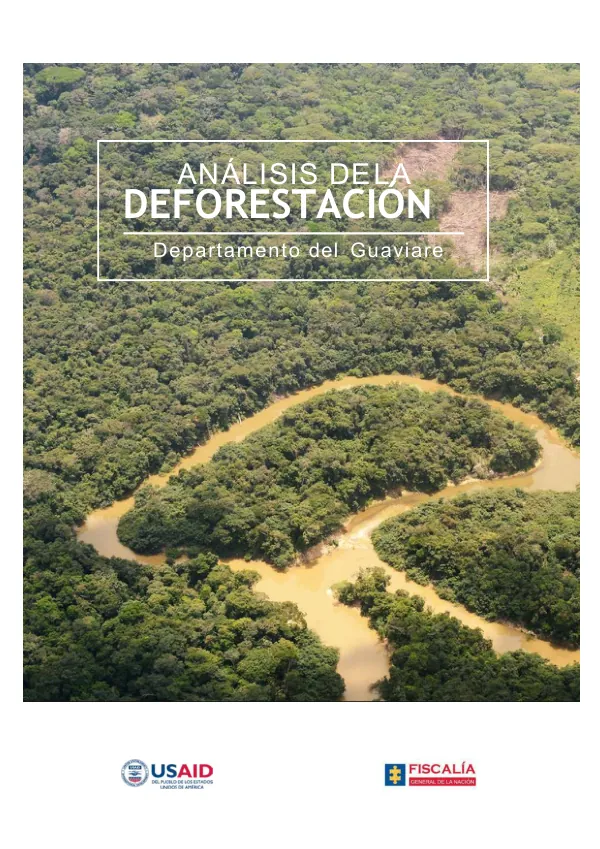
Análisis de la deforestación en el Departamento del Guaviare a partir de fuentes de información abiertas
Sign inUSAID DEC
Análisis de la deforestación en el Departamento del Guaviare a partir de fuentes de información abiertas
The Guaviare Department in Colombia is a region of significant deforestation concern.
144 pages
Sign in to readA free account is required to download.
Abstract
Satellite imagery analysis indicates widespread forest loss, particularly in the departments' eastern and central regions. Between 2000 and 2019, an estimated 1.3 million hectares of forest cover were lost, representing a 45% decline in the region's original forest area. Deforestation drivers in the Guaviare Department are multifaceted, with agricultural expansion, livestock grazing, and logging being primary contributors. The majority of deforestation events occur in areas with high agricultural potential, such as the departments' fertile plains and valleys. Forest loss is also linked to the expansion of infrastructure projects, including roads and hydroelectric dams. The Guaviare Department's deforestation dynamics are closely tied to the region's socioeconomic context. The majority of the population engages in subsistence agriculture, with many households relying on forest resources for fuelwood, timber, and other essential products. However, the increasing demand for agricultural land and forest products has led to widespread forest degradation and loss. Agricultural expansion in the Guaviare Department is primarily driven by the production of crops such as soybeans, corn, and rice. The departments' fertile soils and favorable climate make it an attractive location for large-scale agricultural production. However, the expansion of agriculture has led to the displacement of indigenous communities and the loss of biodiversity. The Colombian government has implemented various policies aimed at reducing deforestation in the Guaviare Department. These initiatives include the creation of protected areas, such as national parks and wildlife reserves, as well as the implementation of sustainable forest management practices. However, the effectiveness of these policies remains limited due to the complex interplay of socioeconomic and environmental factors driving deforestation in the region.
Related documents
Documents in this collection
 2014
2014USAID DEC
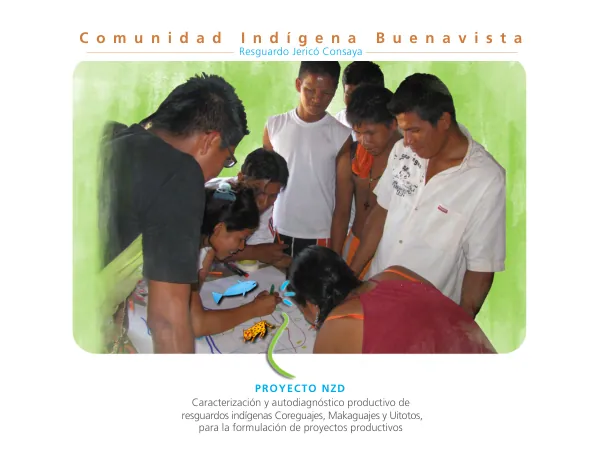
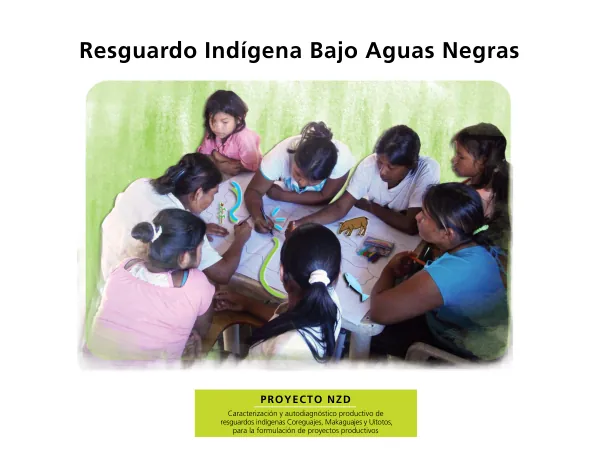
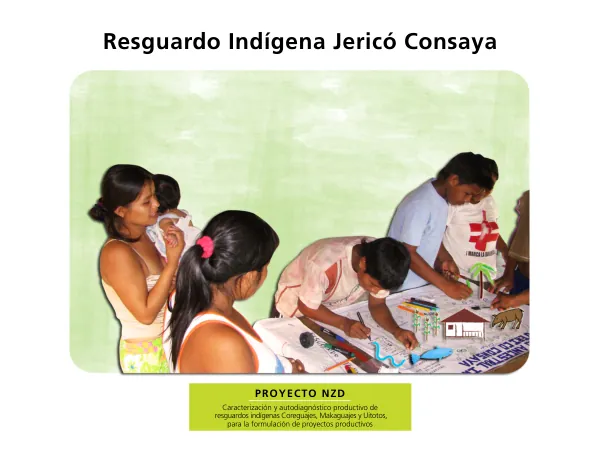
Caracterización y autodiagnóstico productivo de resguardos indígenas Coreguajes, Makaguajes y Uitotos, para la formulación de proyectos productivos
Open record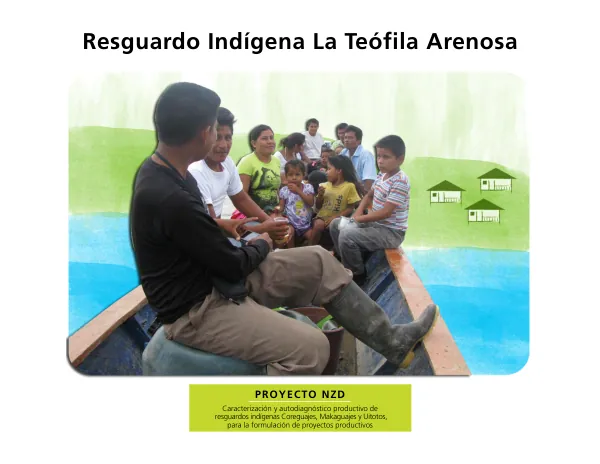 2014
2014USAID DEC