USAID DEC
Best Practices in Community Engagement
Community engagement is a critical component of achieving long-term and sustainable outcomes in community-based projects.
2018 · 6 pages
Sign in to readA free account is required to download.
Abstract
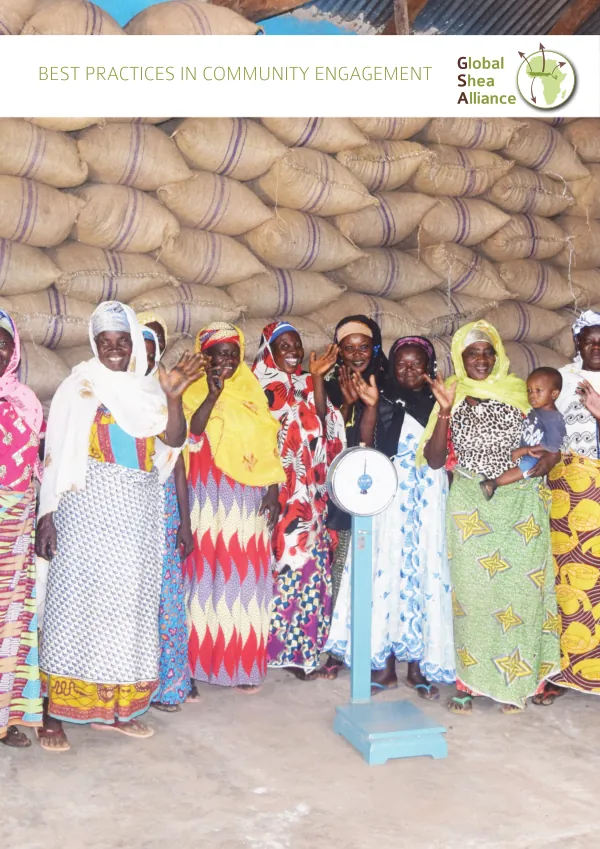
The Global Shea Alliance Sustainability Program, which aims to empower up to 137,500 women in seven countries, recognizes the importance of community engagement in its sustainability program interventions. This document provides general guidelines and principles that partners should consider in their community engagement activities. Community engagement seeks to better engage the community to achieve long-term and sustainable outcomes, processes, relationships, discourse, decision-making, or implementation. The community within this context is defined not only by geographical proximity but also by interests, affiliation/identity, and/or concerns. For example, in the case of constructing a warehouse for shea collectors, the community would include women shea collectors, their families, local authorities, local chiefs, other NGOs, buyers, community members, and so on. Community engagement is critical in identifying community priorities, needs, resources, and solutions. It ensures representation, participation, ownership, and accountability from all the actors. Moreover, community needs are interlinked, and often affected by a range of factors, thus the need for holistic approaches to addressing community needs. For instance, the ability of women to apply the skills gained from nursery development and parkland management is linked to their access to land. Community engagement involves a range of processes and actors at different levels, with varying interests and/or influences within the community. The guidelines below serve as general principles in community engagement. Know your community is a critical step in community engagement. It involves understanding the customs, traditions, and overall culture of the community. This includes identifying the predominant religion in the community and how it shapes social relations and behavior. Additionally, it involves understanding traditional practices that could impact the project, such as land tenure systems and women's access to land. A community assessment should be conducted prior to the initiation of community activities or projects. This assessment helps to identify community needs and assets. Community needs refer to the gaps that exist when the current situation is compared to the preferred situation. Community assets, on the other hand, are the resources that already exist within the community, which can contribute to meeting these needs. Consulting the community is an essential step in community engagement. This involves understanding how the community understands the need identified, how they think it can/should be addressed, and what kind of external support they think is needed to address the need. The entire community should be involved in the consultation process, either directly or through representatives, to ensure that no group feels excluded or marginalized. Involving the community is also critical in community engagement. This involves not only consulting community stakeholders in the initial stages of engagement but also involving them in the processes that would result in eventual implementation. Involvement should not only be focused on project beneficiaries, as the social dynamics within the community can impact project outcomes. Building partnerships is another essential step in community engagement. This involves identifying existing resources, opportunities, and/or interventions within the community and how they can be leveraged to support the project. Collaborating with existing projects by other organizations is critical in this regard. Community mobilization refers to the process through which resources, opportunities, interests, and so on, that exist within the community are pulled together to achieve the needs of the community. It is a collaborative approach that creates synergies between the different actors in the community, while leveraging the resources and capabilities of the same. Identifying the different stakeholders and their roles/influences within the community is conducted through a process known as stakeholder mapping/analysis. Effective communication is critical in community engagement. This involves making information available to community members, providing feedback mechanisms, and ensuring that the community is informed enough to champion the intervention. Establishing community liaison(s) can help to monitor outcomes and concerns within the community, both during project implementation and after the project has ended. Building capacity is also essential in community engagement. This involves training community members who are able to lead the intervention and transferring knowledge to other members (indirect beneficiaries) at the community level. Building the capacity of community members helps to ensure that the intervention would continue to benefit the community after the project life cycle.