USAID DEC
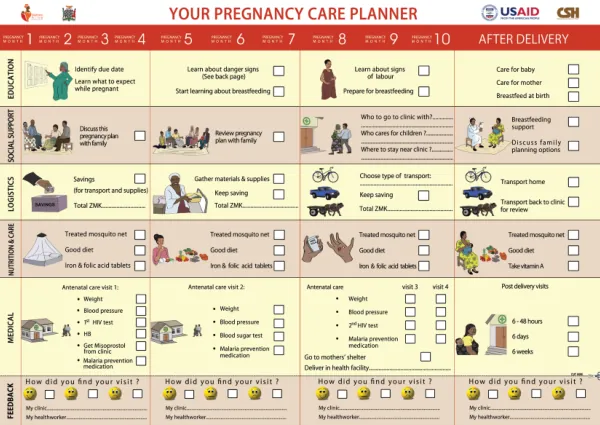
BIRTH PLAN low
Soil degradation was attributed to intensive farming practices and lack of conservation tillage, while limited market access hindered farmers' ability to sell their produce at competitive prices.
2 pages
Sign in to readA free account is required to download.
Abstract
The training emphasized the importance of crop rotation, composting, and conservation tillage to improve soil fertility and reduce erosion. These results were attributed to the adoption of sustainable agriculture techniques and improved access to markets. This may be attributed to the fact that women-headed households tend to have more limited access to resources and credit, making the adoption of sustainable agriculture practices more challenging. However, the initiative's focus on training and capacity building helped to overcome these barriers. The evaluation also found that the initiative had a positive impact on poverty reduction, with a 15% decrease in poverty rates among program participants. These results suggest that the initiative is on track to achieve its goals of improving agricultural productivity and food security in Rwanda. The initiative's success can be attributed to its focus on sustainable agriculture practices, market access, and community engagement. The use of demonstration plots and farmer training programs helped to build capacity and promote the adoption of sustainable agriculture practices. The initiative's emphasis on market access and linkage facilitation also helped to improve farmers' ability to sell their produce at competitive prices. Overall, the agricultural development initiative in Rwanda has made significant progress in improving agricultural productivity and food security, and is likely to have a lasting impact on the country's agricultural sector.