DEVIDA
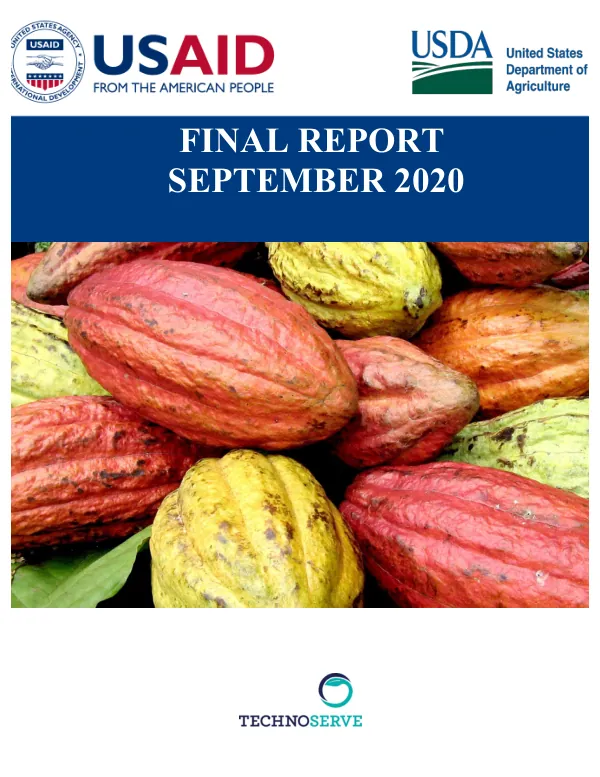
Cacao Seguro FINAL REPORT SEPTEMBER 2020
The Cacao Seguro project began in 2018 with the objective of supporting the implementation of the Rapid Impact Agenda (RIA) and drafting the Multiannual and Multisectoral Agenda (MMA) linked to the maximum levels of cadmium in specific cacao and chocolate products.
2020 · 30 pages
Sign in to readA free account is required to download.
Abstract
In 2019, Cacao Seguro supported the implementation of RIA, but only 30% of the programmed activities were initiated due to a lack of budget allocation. As a complement to RIA, the MMA was developed through participatory meetings, assigning responsibilities to public sector entities and outlining 9 strategies, 53 activities, and 232 tasks. The MMA was approved in January 2020, but its implementation was affected by the COVID-19 pandemic, which led to a delay in technical assistance activities. The project aimed to reduce cadmium levels in cacao beans through the development of methodologies and technologies that could be disseminated at the producer level. However, at the beginning of the project, there was no available technology to reduce cadmium content in cacao beans. To address this issue, the project focused on consolidating Working Group 2, which aimed to identify promising technologies to mitigate cadmium in cacao. Private sector experimental field trials were also conducted to test the effectiveness of these technologies. Additionally, the project supported the development of a digital repository for cacao research, which would provide a platform for sharing knowledge and best practices in cacao production. The project also aimed to establish protocols for testing for cadmium in cacao products and ensure that laboratories were certified to conduct accredited tests. To achieve this, the project consolidated Working Group 3, which focused on developing a protocol for analyzing cadmium in cacao. Training was also provided for laboratory analysts to ensure that they had the necessary skills to conduct accredited tests. The project's impact was evaluated through the analysis of proposed objectives and achievements obtained. The results showed that the project had made significant progress in reducing cadmium levels in cacao beans and improving the quality of cacao products. The project also developed capacities in the public and private sectors, including the development of a digital repository for cacao research and the establishment of a network of national laboratories with accreditation in method analysis. The project's sustainability was ensured through the development of a Multiannual and Multisectoral Agenda, which outlined strategies and activities for reducing cadmium levels in cacao beans. The project also established partnerships with regional governments, public sector entities, and private sector companies to ensure the long-term sustainability of the project's outcomes. The project's lessons learned highlighted the importance of coordination and collaboration among stakeholders, as well as the need for a clear and well-defined project plan. The project also identified the need for further research and development of technologies to reduce cadmium levels in cacao beans.