USAID
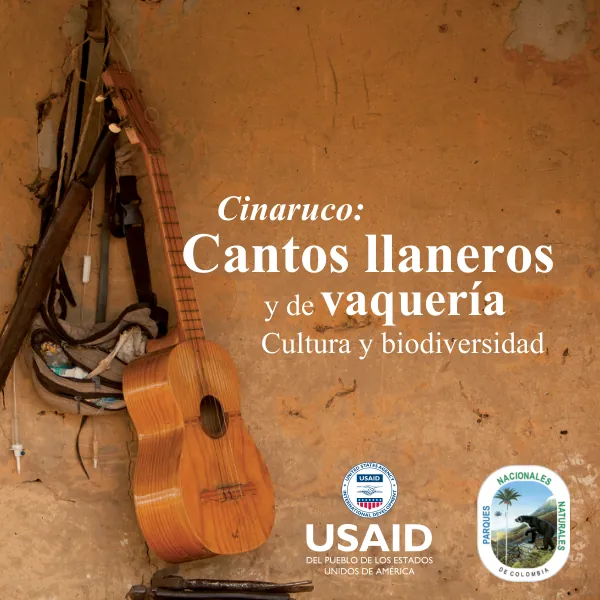
Cantos de trabajo de los Llanos: Un patrimonio cultural y natural
The Cinaruco region in Colombia is home to a unique cultural heritage, with the Cantos de trabajo de los Llanos being declared a UNESCO Intangible Cultural Heritage in 2017.
2020 · 21 pages
Sign in to readA free account is required to download.
Abstract
These traditional songs and melodies are an integral part of the Orinoquia colombo-venezolana culture, associated with the traditional cattle-raising system of the Llanos. The Cantos de trabajo de los Llanos have a dual dimension, both practical and expressive, making them a fundamental part of the cultural fabric of the region. The songs and melodies collected in this work reflect the spirit of the Llanos, allowing listeners to connect with the flooded savannas of Cinaruco, the daily routines of the men and women who live there, and the forms of being and feeling that are characteristic of the Llanos. The Cantos de trabajo de los Llanos are an expression of the cultural and natural heritage of the region, and their preservation requires the protection of the ecosystems that give them life. The District National of Integrated Management (DNMI) Cinaruco was designated as a protected area on July 31, 2018, covering a total area of 331,848.359 hectares. Located in the department of Arauca, in the municipalities of Arauca and Cravo Norte, the DNMI Cinaruco aims to conserve the natural ecosystems, allowing for the sustainable use of resources by the Llanero and indigenous communities living in the area. This contributes to the maintenance of the natural dynamics of the flooded ecosystems and water bodies associated with the Cinaruco and Capanaparo rivers. The DNMI Cinaruco also seeks to contribute to the recovery and maintenance of the relationship between the territory and the uses, customs, and traditions of the indigenous peoples Wamonae, Yaruro, Yamalero, Maiben-Masiware, and Sáliva, who are ancestrally linked to the area. The preservation of the Cantos de trabajo de los Llanos is closely tied to the conservation of the natural ecosystems and the cultural heritage of the region. Colombia is one of the countries with the greatest biodiversity and cultural richness in the world, with 59 natural areas belonging to the National Parks System and 3 District National of Integrated Management (DNMI) administered by Parques Nacionales Naturales. The protected areas provide invaluable services, including the supply of water, climate stability, and disaster mitigation, among others. The Riqueza Natural program of USAID aims to support the Colombian government in achieving conservation and sustainable rural development goals, particularly in ecosystems with low representation in the National System of Protected Areas and those most threatened. The program's approach reflects USAID's policy on biodiversity conservation, recognizing the inextricable link between the protection of vital ecosystems and sustainable human development, as well as the importance of addressing gender and social inclusion issues to promote sustainable natural resource management. The "trabajo de llano" is a set of practices associated with the traditional cattle-raising system of the Llanos, which has consolidated a unique geography and social economy in the eastern savannas of Colombia and Venezuela. From a young age, Llaneros learn from their parents about the practices of ordeño, saca del ganado, enlazar, manear, and herrar, as well as amansar and curar the animals, all accompanied by traditional songs and melodies. Within this living practice, the hide of the cattle is used to make ropes, halters, tapaojos, campechanas, alpargatas, and rejos, while the fat is used to make the wick for candles and soap for bathing. The Llanero also learns to know their savannas and to make use of what they offer, to know the woods and palms for building their ranches and tools, and to know the herbs that cure fevers or ward off spirits. The Cantos de trabajo are associated with the "trabajo de llano" and are primarily of four types: "ordeño cantos," "cabrestero cantos," "vela cantos," and "domestication cantos" ("japeos," "silvos," "llamados," and "gritos"). These a cappella songs are not only a companion for the Llanero during their long days but also a work instrument, allowing the Llanero to establish a more intimate relationship with the animals they will milk, drive from one place to another, and later domesticate.