CARE
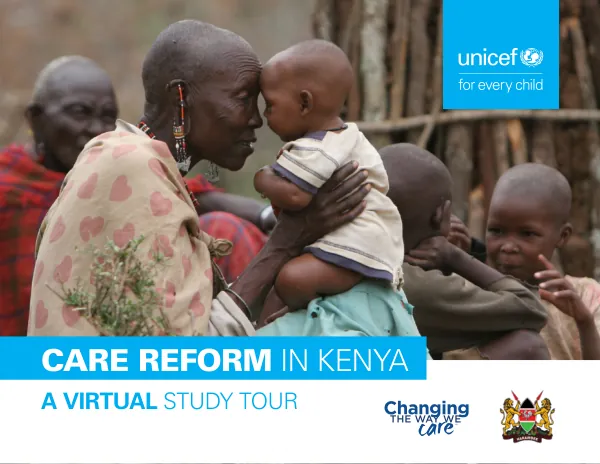
CARE Reform in Malawi: A Virtual Study Tour
The National Policy on Orphans and Vulnerable Children emphasizes the importance of family-based care and the need to reduce institutional care.
2021 · 31 pages
Sign in to readA free account is required to download.

Abstract
The policy was introduced in 2003, and it has been criticized for failing to prioritize the child's best interest in adoption proceedings. The Adoption of Children Act, passed in 2003, requires foreigners who want to adopt a Malawian child to have been resident in the country for 18 months. The Malawi Child Care, Protection and Justice Act, passed in 2006, provides the overarching policy framework for the care and protection of children in Malawi. This law promotes family care, strengthens adoption, regulates foster care, and regulates the establishment and management of residential care. The law aims to ensure that any child in need of care and protection has access to care. Research suggests a fall in the number of children in residential care from 10,126 in 2014 to 8,049 in 2017. This decline is attributed to a pilot program on reintegration in four districts and the closure of some residential care facilities due to financial challenges. However, problems persist in residential care, including poorly qualified staff, violence against children, and lack of access to basic services. The government has taken steps to enhance foster care in Malawi, including developing a foster care training manual with the support of the Civil Society Organization (CSO) Hope and Homes for Children. Hope and Homes also built the capacity of government social workers on reintegration and improved case management guidance on reintegration. The National Children's Policy and National Children's Commission Act provide over-arching legislation and a body on child rights. The policy includes reference to the importance of family-based care, and the new Children's Commission offers the opportunity for more inter-sectoral cooperation in care reform.
Related documents