CARE
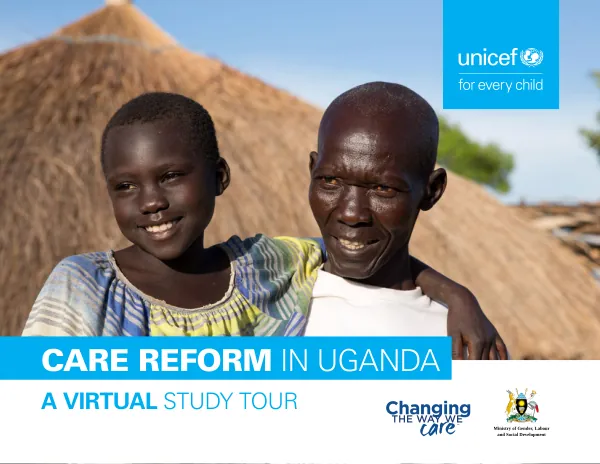
CARE Reform in Uganda: A Virtual Study Tour
Care reform in Uganda has been a significant focus area for the government and various stakeholders.
2021 · 38 pages
Sign in to readA free account is required to download.
Abstract
The country's population is approximately 44.2 million, with 56% of the total population consisting of children, totaling around 25 million. Among these children, 19% are in kinship care, with around 4.8 million children, of which 15% have both parents alive. Residential care facilities in Uganda number at least 40,000 to 50,000 children, while small numbers of children are fostered annually through civil society organization-managed foster care programs. The care of refugee children is also a concern, with 40,996 registered unaccompanied and separated refugee children as of December 2020. The care reform process in Uganda began with the Constitution highlighting the rights of children to know and be cared for by their parents or guardians. However, the situation changed dramatically in the late 1990s, with an increase in residential care facilities, from 36 to 88, largely opened by Pentecostal churches and funded through foreign donations. The Children Act, enacted in 1996, included provisions for the care and protection of children, including foster care, adoption, and residential care. The National Child Protection Working Group was established in response to the rising recognition of the need for coordination in child protection response. In 2012, the government began a sustained response to care reform, establishing the Alternative Care Taskforce to develop the Alternative Care Framework. A baseline study endorsed by the government revealed over 400 residential care facilities known to the government and estimated at least a further 200 that were not known. The draft National Framework for Alternative Care was developed to guide care reform, prevent unnecessary family separation, support alternative care, and ensure that inter-country adoption is used only as a last resort. The framework led to the establishment of Alternative Care Panels to act as gatekeeping mechanisms and authorize foster care and adoption. The use of the assessment toolkit for residential care facilities showed that much of the care did not meet the minimum standards. Between 2013 and 2017, over 500 facilities were assessed, and 21 were closed down. The Ugandan's Adopt campaign was launched by the government with the support of NGOs, leading to the adoption of 60 children by Ugandans over three years. Several USAID-funded programs were also initiated to prevent family separation and support reintegration. The Strong Beginnings project was launched by Terre des Hommes Netherlands to work with residential care providers and pilot foster care in three districts. The government also developed an alternative care training curriculum. The National Plan for Child Wellbeing 2016-2021 was finalized, with one of the three goals relating to care reform. Amendments to the Children Act outlined the continuum of care, highlighting the importance of family preservation and requiring ministries to develop prevention and early intervention programs. Legal loopholes around inter-country adoption were also closed. A study provided a snapshot of NGO-run foster care, showing that in 2015, 142 children were placed in foster care by five NGOs. The National strategy on social protection provided support to vulnerable families.
Related documents