USAID DEC
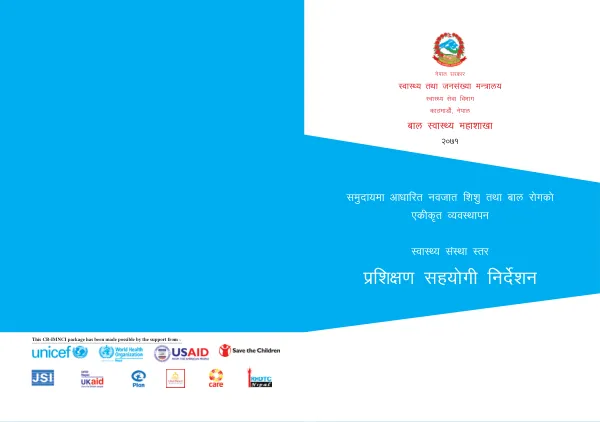
CB-IMNCI Facilitator Guide
The CB-IMNCI package is a comprehensive guide for facilitators working on community-based integrated management of neonatal and childhood illnesses.
81 pages
Sign in to readA free account is required to download.
Abstract
The package has been made possible by the support from various organizations, including the World Health Organization and UNICEF. The guide is designed to provide facilitators with the necessary tools and knowledge to implement the CB-IMNCI program effectively. The program focuses on improving the health and well-being of newborns and children under the age of five, with a particular emphasis on reducing mortality rates due to pneumonia, diarrhea, and malaria. The guide is divided into several sections, each addressing a specific aspect of the program. The first section provides an overview of the program's objectives, scope, and target population. It also outlines the key strategies and interventions that will be implemented to achieve the program's goals. The second section focuses on the facilitator's role and responsibilities, including how to establish and maintain relationships with community leaders and health workers. It also provides guidance on how to conduct community assessments and develop a plan of action. The third section delves into the program's technical aspects, including the diagnosis and treatment of common childhood illnesses. It also covers the use of integrated management of childhood illnesses (IMCI) guidelines and the importance of community-based care. The guide also emphasizes the importance of community participation and ownership in the program's success. It provides guidance on how to engage community members in the planning and implementation process, including how to establish community-based management committees. Throughout the guide, there are numerous examples and case studies that illustrate the program's effectiveness in different settings. These examples highlight the importance of adapting the program to local contexts and the need for ongoing monitoring and evaluation. The CB-IMNCI package is a valuable resource for facilitators working on community-based health programs. It provides a comprehensive framework for implementing the program and achieving its objectives. By following the guide's recommendations and best practices, facilitators can help improve the health and well-being of newborns and children under the age of five. The program's geographic focus is on low- and middle-income countries, where the burden of childhood illnesses is highest. The guide provides guidance on how to adapt the program to different cultural and linguistic contexts, ensuring that it is relevant and effective in a variety of settings. The program's timeframes are flexible, allowing facilitators to adapt the implementation schedule to meet the needs of their specific context. The guide provides guidance on how to establish a realistic timeline and milestones, ensuring that the program is implemented effectively and efficiently. Overall, the CB-IMNCI package is a comprehensive and practical guide for facilitators working on community-based health programs. It provides a clear framework for implementing the program and achieving its objectives, while also emphasizing the importance of community participation and ownership.