USAID DEC
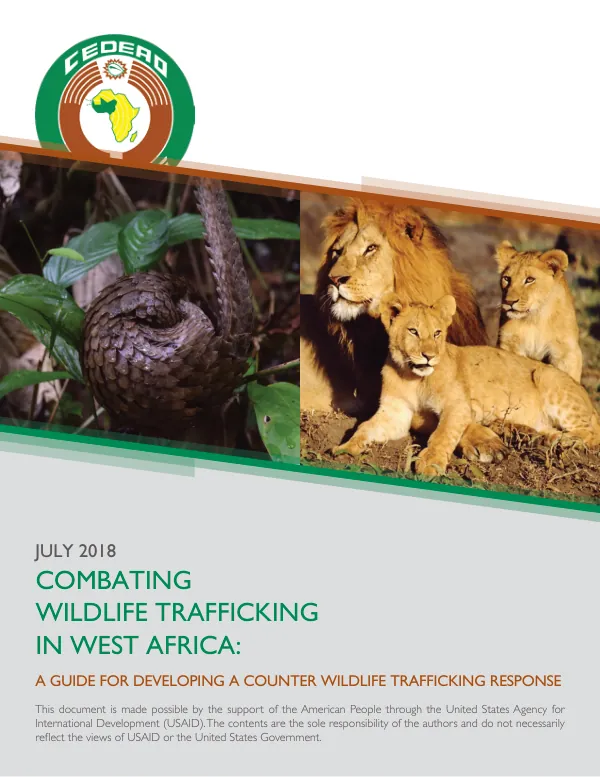
Combating Wildlife Trafficking in West Africa: A Guide for Developing a Counter Wildlife Trafficking Response
Sign inTETRA TECH
Combating Wildlife Trafficking in West Africa: A Guide for Developing a Counter Wildlife Trafficking Response
Combating wildlife trafficking in West Africa requires a comprehensive approach that involves multiple stakeholders and strategic interventions.
2018 · 8 pages
Sign in to readA free account is required to download.
Abstract
The development of a counter wildlife trafficking response in the region is crucial to address the growing threat of wildlife crime. The American People through the United States Agency for International Development (USAID) have supported the development of a guide for developing a counter wildlife trafficking response in West Africa. The guide identifies six strategic areas of intervention, which are considered pillars for the development of a counter wildlife trafficking response in West Africa. These areas include training, coordination, political commitment, disposal of confiscated specimens, equipment and staff resources, and awareness. Training is a critical component of the counter wildlife trafficking response, and it is essential to develop train-the-trainer curriculums and related reference materials for all relevant authorities and institutions involved in the enforcement chain. The training curriculums should include modules on basic CITES requirements, identification of CITES species, processing CITES documents, and risk profiling. The training should also cover enforcement skills, remote first aid, and tactical skills to ensure safety during anti-poaching work. Coordination is another critical component of the counter wildlife trafficking response, and it is essential to develop national protocols or create formal structures that clearly define the responsibilities and roles of the various relevant authorities in the wildlife law enforcement chain. The national action plan/strategy for tackling wildlife crime should include benchmarks and timeframes to strengthen coordination between relevant stakeholders and ensure effective implementation. Political commitment is also essential for the success of the counter wildlife trafficking response, and it is crucial to develop a national action plan and budget for the next 5 years. The plan should include a clear vision, goals, and objectives for tackling wildlife crime, as well as a detailed budget and resource allocation plan. Disposal of confiscated specimens is a critical component of the counter wildlife trafficking response, and it is essential to develop guidelines for the disposal of confiscated specimens. The guidelines should include procedures for the safe handling and transportation of confiscated specimens, as well as procedures for the disposal of specimens that are not suitable for rehabilitation or release. Equipment and staff resources are also essential for the success of the counter wildlife trafficking response, and it is crucial to develop a plan for the procurement and maintenance of equipment, as well as a plan for the recruitment and training of staff. Awareness is a critical component of the counter wildlife trafficking response, and it is essential to develop outreach materials, including posters, brochures, and fliers, to inform the public about species that are protected and about applicable legal requirements. The awareness campaign should also include a national guide clarifying legislation requirements, the allocation of roles between all authorities involved in the enforcement chain, and applicable procedures. Regional coordination is also essential for the success of the counter wildlife trafficking response, and it is crucial to develop a regional strategy for tackling wildlife crime, which identifies regional priorities and puts in place an action plan to tackle them. The regional strategy should also include a clear vision, goals, and objectives for tackling wildlife crime, as well as a detailed budget and resource allocation plan. In conclusion, combating wildlife trafficking in West Africa requires a comprehensive approach that involves multiple stakeholders and strategic interventions. The development of a counter wildlife trafficking response in the region is crucial to address the growing threat of wildlife crime. The guide provides a framework for developing a counter wildlife trafficking response in West Africa, and it highlights the importance of training, coordination, political commitment, disposal of confiscated specimens, equipment and staff resources, and awareness in addressing wildlife crime.