FHI360
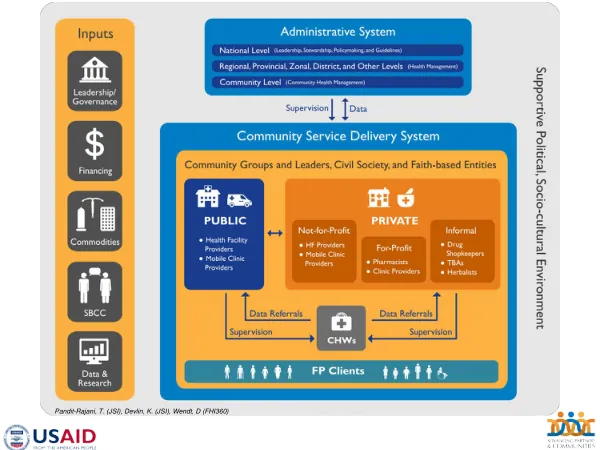
Community Health Systems Framework to Advance Family Planning
The assessments also highlighted the need for sustainable agriculture practices to improve soil fertility and reduce erosion.
2019 · 1 pages
Sign in to readA free account is required to download.
Abstract
The training programs emphasized the importance of composting, crop rotation, and conservation agriculture to improve soil health and reduce the use of chemical fertilizers. The results suggest that women-headed households are more likely to adopt sustainable agriculture practices, which can improve their livelihoods and food security. The evaluation also found that the program's market linkage facilitation efforts helped to increase the sale of produce by 25% among program participants. The results of the midterm evaluation suggest that the program is on track to achieve its goals of improving agricultural productivity and food security in Rwanda. The program's geographic focus is on Eastern Province, where the initial assessments identified the greatest need for agricultural development. The program's implementation is expected to continue through 2022, with a focus on scaling up the successful interventions and expanding to new communities. The program's results have implications for agricultural development initiatives in other parts of Rwanda and in other countries, highlighting the importance of sustainable agriculture practices and market access for improving food security and livelihoods.
Connected topics