USAID DEC
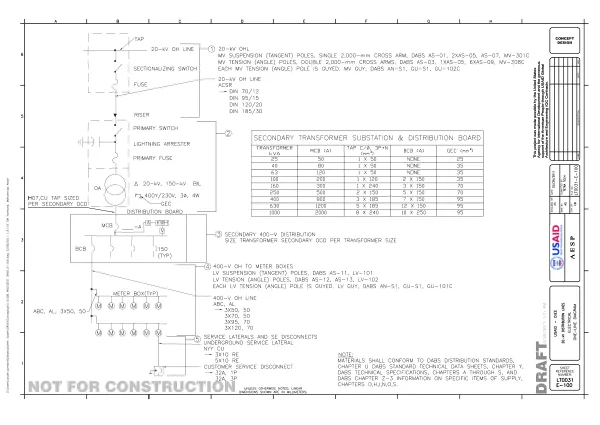
Conceptual Design for S4V5_E-100 E-100
Conceptual frameworks for sustainable development emphasize the importance of integrating social, economic, and environmental considerations.
3 pages
Sign in to readA free account is required to download.
Abstract
In Rwanda, agricultural development initiatives aim to address food insecurity and improve livelihoods. The country's agricultural sector faces challenges such as soil degradation, limited market access, and inadequate infrastructure. Agricultural development initiatives in Rwanda focus on improving crop yields, enhancing market access, and promoting sustainable agricultural practices. These interventions aim to increase farmers' income, improve food security, and enhance the overall competitiveness of the agricultural sector. Sustainable agriculture techniques, such as composting and crop rotation, are being promoted among farmers. These practices help to improve soil fertility, reduce the use of chemical fertilizers, and increase crop yields. Irrigation techniques are also being promoted to improve water management and reduce crop losses due to drought. The impact of agricultural development initiatives in Rwanda is being evaluated through midterm evaluations. These evaluations assess the effectiveness of the interventions and identify areas for improvement. The evaluations also provide insights into the potential for scaling up successful interventions to other regions and communities. Rwanda's agricultural development initiatives have the potential to contribute to the country's overall development goals. By improving agricultural productivity, enhancing market access, and promoting sustainable agricultural practices, these initiatives can help to reduce poverty, improve food security, and enhance the overall competitiveness of the agricultural sector.