USAID DEC
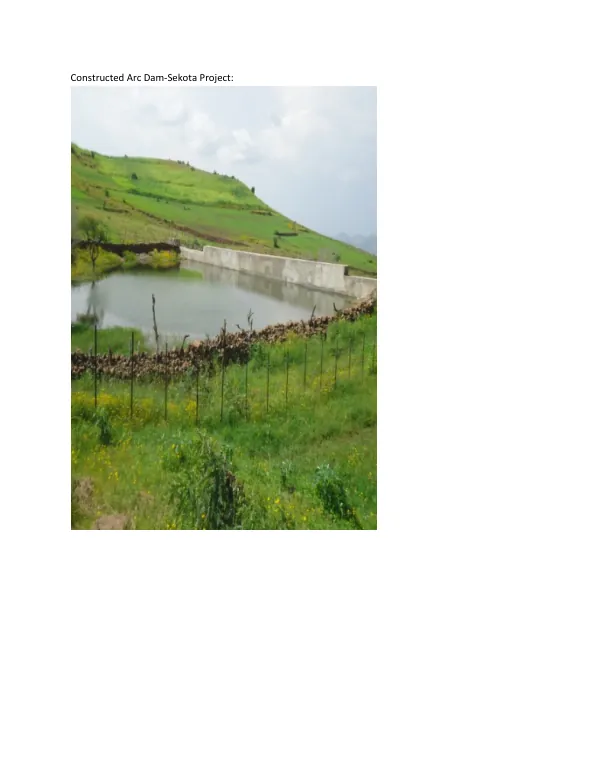
Constructed Arc Dam-Sekota Project: Demonstration, Educational Drama show-Wadla, Hand washing day Celebration with Students-Laygayint project, Hand washing day celebration-Wadla, Irish Potato production on a backyard-Wadla, Practical training for mothers on horticulture-Dehana Project, Practical training on Composting-Lasta, Review meeting, Vegetable Production-Wadla, Video show screening, Mother taking care for poultry-Lasta, Mothers' training on local seed supply system-Dehana, Potable Water supply-Bugna before and after 1, Potable Water supply-Bugna before and after 2
Sign inUSAID
Constructed Arc Dam-Sekota Project: Demonstration, Educational Drama show-Wadla, Hand washing day Celebration with Students-Laygayint project, Hand washing day celebration-Wadla, Irish Potato production on a backyard-Wadla, Practical training for mothers on horticulture-Dehana Project, Practical training on Composting-Lasta, Review meeting, Vegetable Production-Wadla, Video show screening, Mother taking care for poultry-Lasta, Mothers' training on local seed supply system-Dehana, Potable Water supply-Bugna before and after 1, Potable Water supply-Bugna before and after 2
The Constructed Arc Dam-Sekota Project is a comprehensive initiative aimed at improving the livelihoods of rural communities in Ethiopia.
10 pages
Sign in to readA free account is required to download.
Abstract
The project's primary focus is on enhancing agricultural productivity, promoting sustainable water management, and increasing access to clean water and sanitation facilities. Implemented in the Damot Gale and Sekota districts, the project targets over 20,000 households, with a particular emphasis on empowering women and vulnerable groups. Agricultural development is a key component of the project, with a focus on improving crop yields and promoting diversified farming practices. Demonstration plots have been established to showcase the effectiveness of new agricultural techniques, including the use of composting and crop rotation methods. Educational drama shows, such as "Wadla," have been used to promote awareness about the importance of hand washing and proper hygiene practices. The project also includes practical training sessions for mothers on horticulture and poultry production, as well as training on composting and local seed supply systems. Water management is another critical aspect of the project, with a focus on improving access to potable water and sanitation facilities. Before-and-after assessments have been conducted in the Bugna area to demonstrate the impact of the project's interventions. The project has also implemented a range of infrastructure development activities, including the construction of water harvesting systems and the rehabilitation of existing water sources. Implementation of the project has been ongoing since 2018, with a range of stakeholders involved, including local communities, government agencies, and international partners. The project's midterm evaluation has revealed significant improvements in household income and food security among project participants. Women-headed households have shown higher adoption rates for project interventions, indicating a positive impact on gender equality and social inclusion. The project's geographic focus is on the Damot Gale and Sekota districts in Ethiopia, with a particular emphasis on the Bugna area. The project's timeframes are aligned with the national development plan, with a focus on achieving sustainable development goals by 2030. Recommendations from the project's midterm evaluation include scaling up the project's interventions to reach more households and communities, as well as strengthening partnerships with local government agencies and international partners to ensure long-term sustainability.
![Inventory of HIV/AIDS counselling, testing, care and support services in Nairobi[, Kenya]](https://covers.devme.ai/gen/140571.webp)