USAID
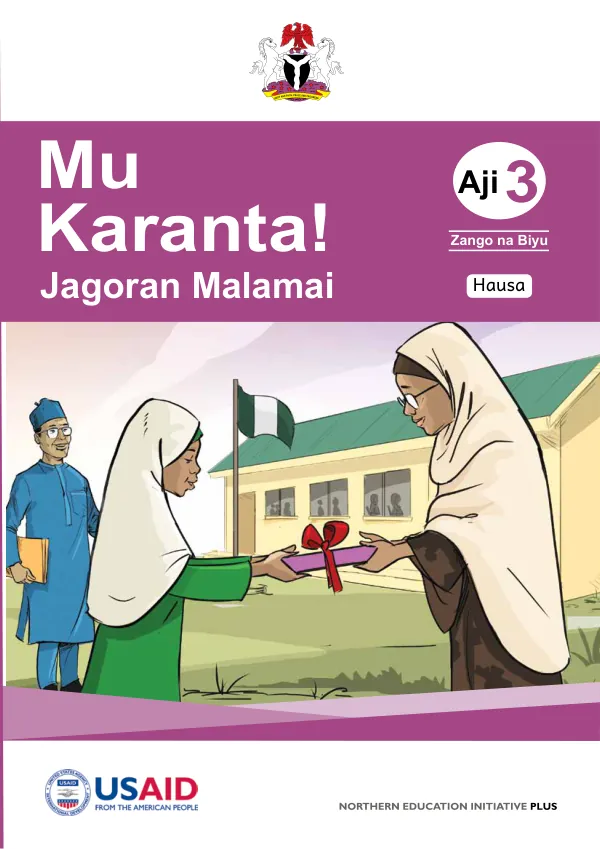
Education Crisis Response – Jagoran Malami
The Education Crisis Response – Jagoran Malami is a comprehensive guide to education in Nigeria, focusing on crisis response and teacher training.
2016 · 380 pages
Sign in to readA free account is required to download.
Abstract
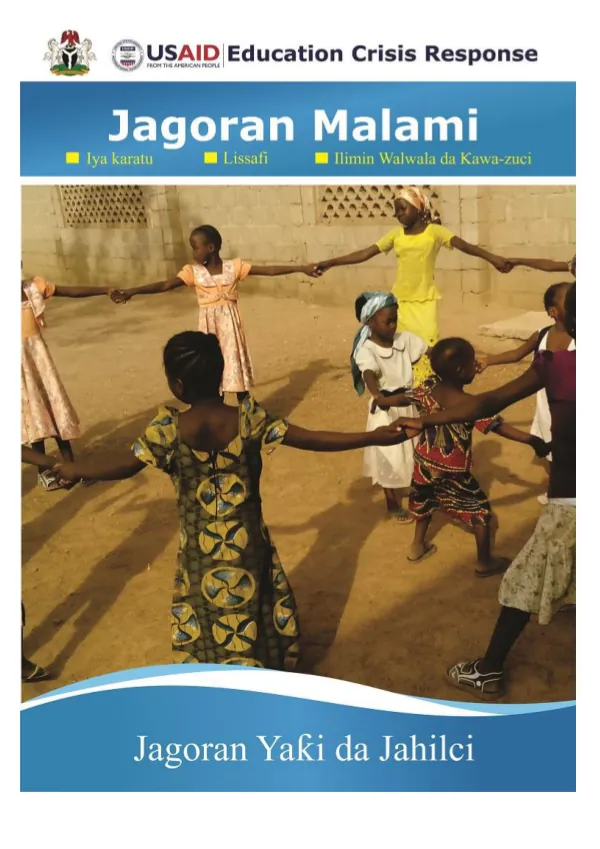
The document is divided into three main sections: Gabatarwa, which covers the introduction and overview of the guide; Darussan Lissafi, which deals with literacy and numeracy; and Darussan Ilimin Walwala da Qawa-zuci, which focuses on crisis response and teacher training. The guide emphasizes the importance of education in Nigeria, particularly in the context of crisis response. It highlights the need for effective teacher training and capacity building to address the education crisis in the country. The document provides a detailed outline of the teacher training program, including the curriculum, methodology, and evaluation framework. The teacher training program is designed to equip teachers with the skills and knowledge necessary to respond to crisis situations and provide quality education to students. The program covers a range of topics, including literacy and numeracy, crisis response, and teacher training. The guide also provides a detailed outline of the curriculum, including the learning objectives, teaching methods, and assessment criteria. The document highlights the importance of community involvement and participation in the education crisis response efforts. It emphasizes the need for collaboration between teachers, community leaders, and other stakeholders to address the education crisis in Nigeria. The guide also provides a detailed outline of the community engagement strategy, including the roles and responsibilities of community leaders and teachers. The Education Crisis Response – Jagoran Malami is a valuable resource for educators, policymakers, and community leaders in Nigeria. It provides a comprehensive framework for addressing the education crisis in the country and equipping teachers with the skills and knowledge necessary to respond to crisis situations. The guide is a critical tool for promoting quality education and improving learning outcomes in Nigeria. The guide is organized into several chapters, each focusing on a specific aspect of education crisis response and teacher training. The chapters include: * Darasi Na 1: Na Iya Qirge, which covers the basics of literacy and numeracy * Darasi Na 2: Tarawa, which deals with the importance of community involvement and participation * Darasi Na 3: Xebewa, which covers the curriculum and methodology for teacher training * Darasi Na 4: Lissafin Sau (X) Na Bibiyu Da Uku-Uku Da Hurhuxu, which focuses on literacy and numeracy skills * Darasi Na 5: Nazarin Sufuli (0), which covers the basics of numeracy and literacy * Darasi Na 6: Raba Lambobi, which deals with the importance of community engagement and participation * Darasi Na 7: Idan Yau Talata Ce, which covers the curriculum and methodology for teacher training * Darasi Na 8: Amfani Da Lokaci, which focuses on the importance of time management and organization The guide also includes several appendices, including Rataye Na 1: Baqaqen Hausa, which provides a glossary of Hausa words and phrases, and Rataye Na 2: which provides a list of recommended resources for teacher training. Overall, the Education Crisis Response – Jagoran Malami is a comprehensive guide to education in Nigeria, focusing on crisis response and teacher training. It provides a valuable framework for addressing the education crisis in the country and equipping teachers with the skills and knowledge necessary to respond to crisis situations.
Related documents