USAID
Early Grade Reading Material for Primary Teachers and Pupils in Nigeria
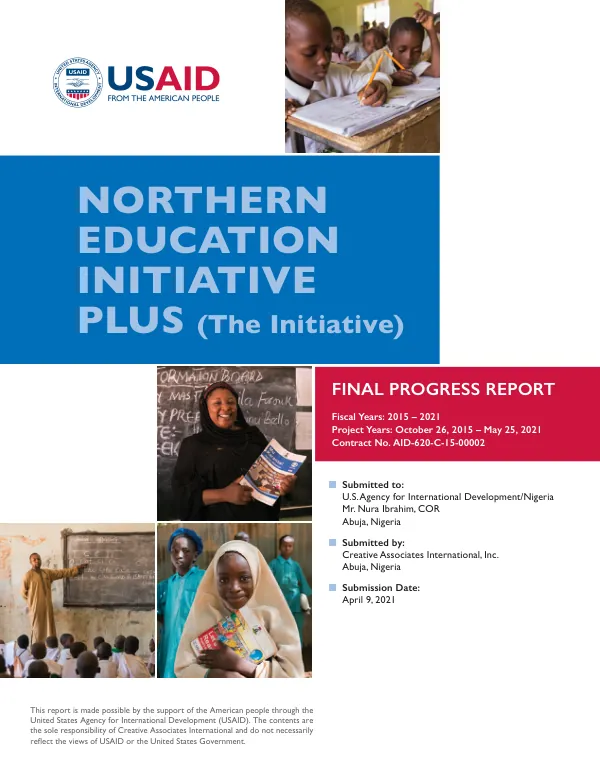
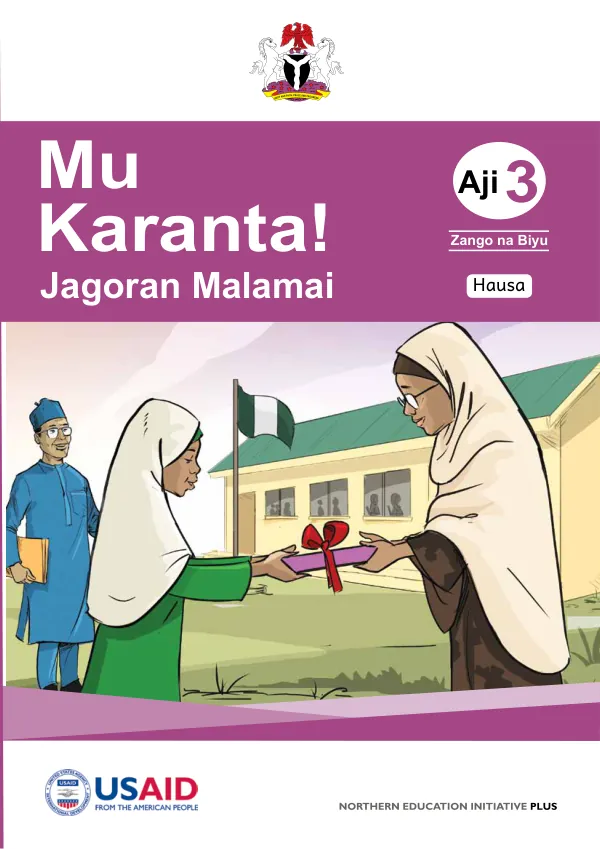
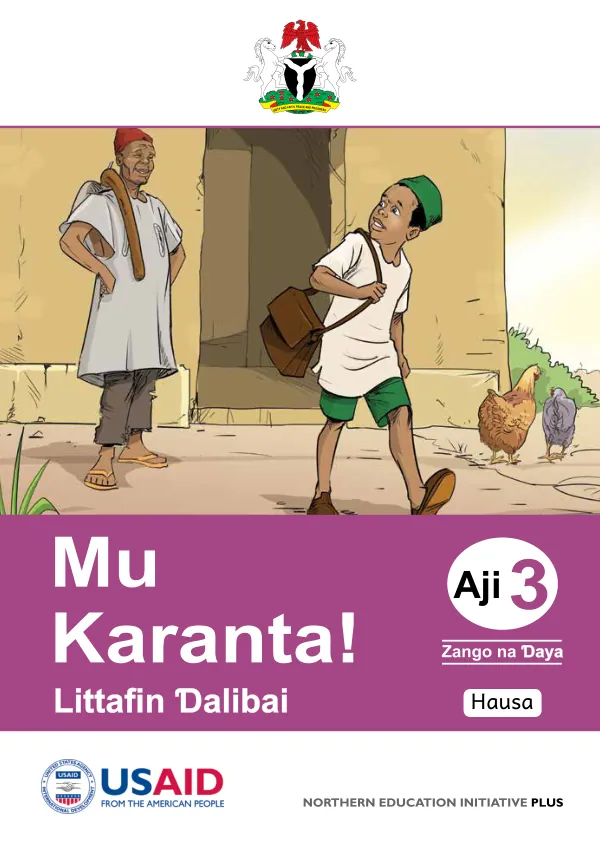
The Northern Education Initiative Plus program, funded by the United States Agency for International Development (USAID), has developed a series of early grade reading materials for primary teachers and pupils in Nigeria.
2016 · 84 pages
Sign in to readA free account is required to download.
Abstract
The materials are designed to improve reading skills and literacy rates among primary school students in the northern region of Nigeria. The program has brought together experts from various fields, including education, linguistics, and literacy, to develop the reading materials. The materials are based on a phonics-based approach, which emphasizes the importance of sound-letter correspondence in learning to read. The approach is designed to be easy to understand and implement, even for teachers with limited training. The reading materials are divided into several levels, each covering a specific range of reading skills and knowledge. The materials include stories, poems, and other texts that are relevant to the lives of primary school students in Nigeria. The stories are designed to be engaging and interesting, while also teaching important lessons about values, culture, and social issues. The program has also developed a range of teacher guides and resources to support the implementation of the reading materials. The guides provide teachers with practical advice and strategies for teaching reading skills, as well as tips for assessing student progress and identifying areas where students may need additional support. The Northern Education Initiative Plus program has received support from various stakeholders, including the Nigerian Educational Research and Development Council (NERDC), the governments of Bauchi and Sokoto states, and the United States Agency for International Development (USAID). The program has also received technical assistance from experts in the field of education and literacy. The program's goal is to improve reading skills and literacy rates among primary school students in the northern region of Nigeria. The program's approach is based on a phonics-based approach, which emphasizes the importance of sound-letter correspondence in learning to read. The program has developed a range of reading materials and teacher guides to support the implementation of the program. The program has also recognized the importance of community involvement in improving literacy rates. The program has worked with local communities to develop reading materials that are relevant to their needs and interests. The program has also provided training and support to teachers and community members to help them implement the program effectively. The program's impact is expected to be significant, with improved reading skills and literacy rates among primary school students in the northern region of Nigeria. The program's approach is based on a phonics-based approach, which is widely recognized as an effective way to teach reading skills. The program's materials and resources are designed to be easy to use and implement, even for teachers with limited training. The program's success will depend on the effective implementation of the program, including the provision of adequate resources and support to teachers and community members. The program's impact will also depend on the level of community involvement and support for the program.
Related documents