ABT ASSOCIATES
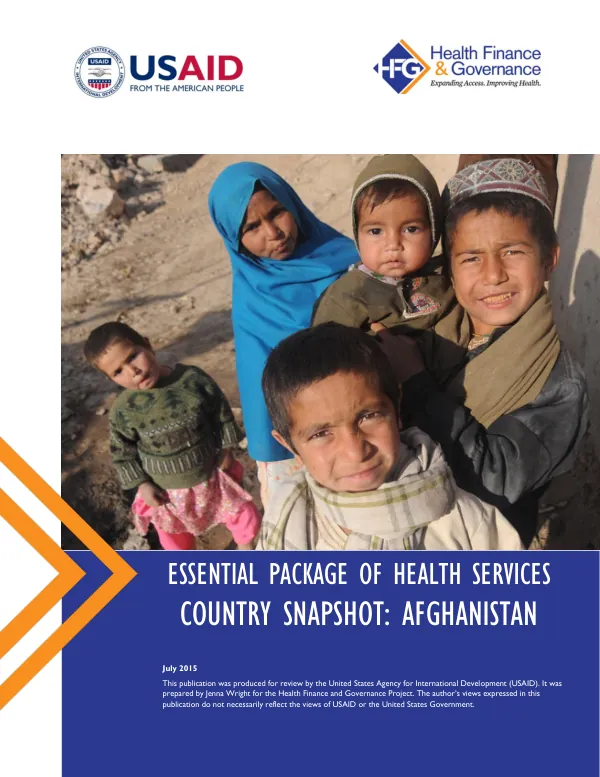
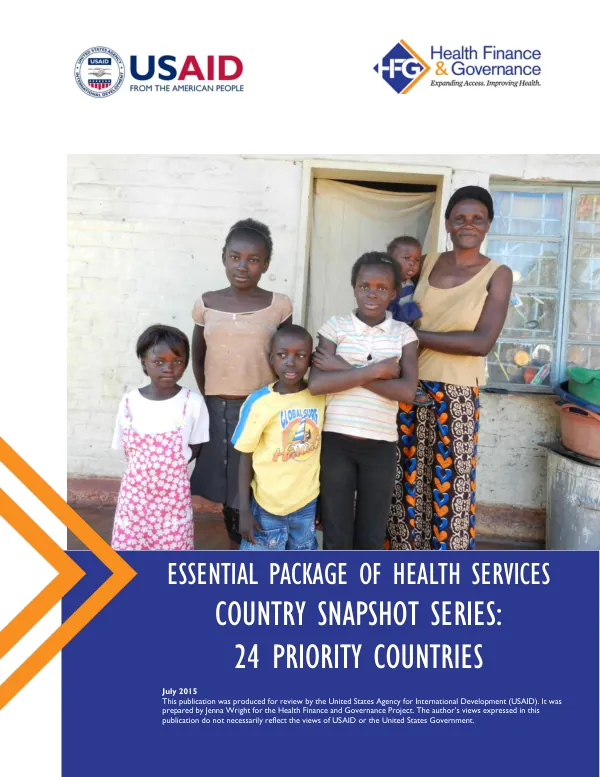
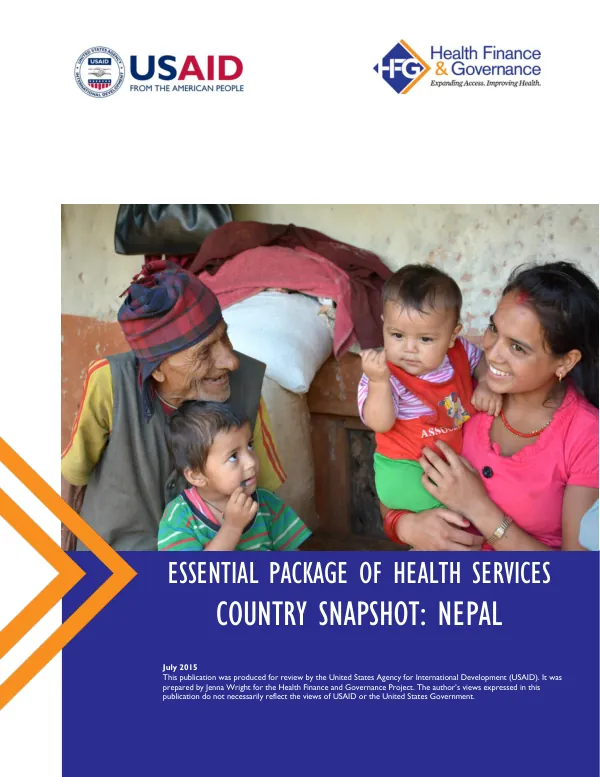
Essential Package of Health Services Country Snapshot: Nepal
The Essential Package of Health Services (EPHS) in Nepal is a comprehensive package of health services that the government aims to provide to its citizens in an equitable manner.
2015 · 28 pages
Sign in to readA free account is required to download.
Abstract
The EPHS was first published in 1999 as part of the second Long Term Health Plan, which included 20 broad health areas. However, the original EPHS was not affordable for the government to provide, given the country's current resource availability. In 2004, the government's Health Sector Strategy proposed to focus on delivering four main areas of essential care across all districts: safe motherhood and family planning, child health, control of communicable disease, and strengthened outpatient care. The subsequent Nepal Health Sector Programme Implementation Plan 2010-2015 updated and expanded the EPHS to include new services under the reproductive health and child health areas, and new programs on mental health, oral health, environmental health, and community-based newborn care. The EPHS is a tool used by the government to work towards universal health coverage in Nepal. The package includes a range of services, including safe motherhood and family planning, child health, control of communicable disease, and strengthened outpatient care. The government has made significant efforts to improve access to care in Nepal, including a policy change in 1991 that prompted the mass construction and upgrading of public sector health facilities. The number of health facilities in Nepal expanded dramatically from less than 1,000 to 4,000 in recent years. Public sector health facilities are arranged in a referral hierarchy, which includes sub health posts, health posts, primary health care centers, district zonal and regional hospitals, and specialty tertiary care centers in Kathmandu. The EPHS is delivered through various channels, including government-sponsored community health workers, public sector primary care facilities, and public sector referral facilities. The government has also made efforts to improve the availability of selected generic medicines, with a median availability of 97% in public sector facilities and 92% in private sector facilities. The EPHS in Nepal includes a range of priority reproductive, maternal, newborn, and child health (RMNCH) interventions, including routine immunization, safe motherhood, and family planning services. However, some priority RMNCH interventions are explicitly excluded from the EPHS, including routine immunization plus H. influenzae, meningococcal, pneumococcal, and rotavirus vaccines. The government of Nepal has made significant efforts to improve health outcomes in the country, including increasing the use of insecticide-treated nets among pregnant women and improving immunization coverage among children. However, there are still significant challenges to be addressed, including improving access to care in rural areas and increasing the availability of selected generic medicines. The EPHS in Nepal is an important tool for improving health outcomes in the country, and the government's efforts to implement the package have shown significant results. However, continued efforts are needed to address the challenges facing the health system in Nepal and to ensure that all citizens have access to the health services they need.