USAID DEC
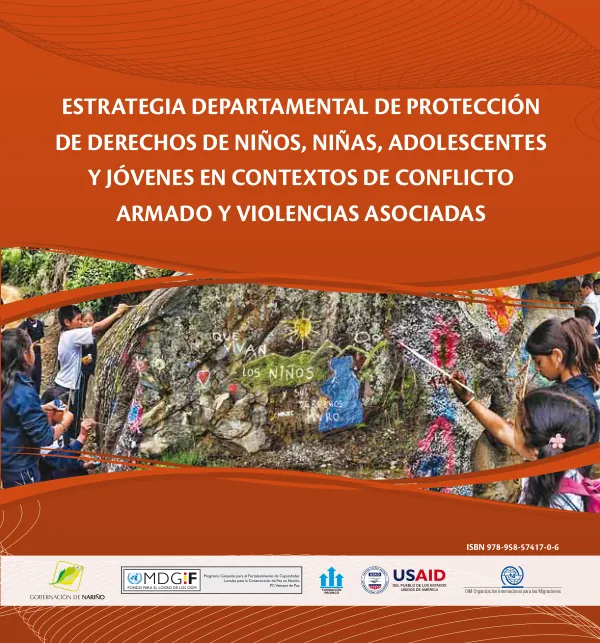
Estrategia Departamental de Protección de Derechos de Niños, Niñas, Adolescentes y Jóvenes en Contextos de Conflicto Armado y Violencias Asociadas
Sign inORGANIZACIÓN INTERNACIONAL PARA LAS MIGRACIONES
Estrategia Departamental de Protección de Derechos de Niños, Niñas, Adolescentes y Jóvenes en Contextos de Conflicto Armado y Violencias Asociadas
The Department of Nariño's agricultural sector has been significantly impacted by the conflict and violence in the region.
2011 · 54 pages
Sign in to readA free account is required to download.
Abstract
The conflict has led to the displacement of thousands of people, including children, adolescents, and young people, who have been forced to flee their homes and communities. Many of these individuals have been affected by the conflict in various ways, including the loss of family members, homes, and livelihoods. The conflict has also had a devastating impact on the local economy, leading to a decline in agricultural production and a decrease in the availability of food and other essential goods. This has resulted in food insecurity and malnutrition among the population, particularly among children, adolescents, and young people. The Department of Nariño has been working to address the impact of the conflict on the agricultural sector and the population. The government has implemented various initiatives aimed at promoting agricultural development, improving food security, and reducing poverty. These initiatives include the provision of training and technical assistance to farmers, the establishment of agricultural cooperatives, and the implementation of programs aimed at improving access to markets and credit. One of the key initiatives implemented by the Department of Nariño is the "Creciendo Juntos" program, which aims to promote the development of children, adolescents, and young people in the region. The program provides training and technical assistance to young people, as well as support for the establishment of agricultural cooperatives and other economic initiatives. The "Creciendo Juntos" program has been implemented in several municipalities in the Department of Nariño, including Leiva, El Rosario, Cumbitara, Mosquera, El Charco, La Tola, Santa Bárbara, and Olaya Herrera. The program has been supported by the Agencia Canadiense para el Desarrollo Internacional (ACDI) and the Programa de Naciones Unidas para el Desarrollo (PNUD). The Department of Nariño has also been working to address the impact of the conflict on the education sector. The government has implemented various initiatives aimed at improving access to education, particularly for children, adolescents, and young people who have been affected by the conflict. These initiatives include the establishment of temporary schools and the provision of educational materials and support to students. The Department of Nariño has also been working to address the impact of the conflict on the health sector. The government has implemented various initiatives aimed at improving access to healthcare, particularly for children, adolescents, and young people who have been affected by the conflict. These initiatives include the establishment of temporary health centers and the provision of medical supplies and support to healthcare workers. The Department of Nariño has been working closely with various international organizations, including the Organización Internacional para las Migraciones (OIM) and the Fondo de las Naciones Unidas para la Infancia (UNICEF), to address the impact of the conflict on the population. The government has also been working with local organizations, including the Fundación de Promoción Integral y Trabajo Comunitario Corazón de María – Fundación Proinco, to implement various initiatives aimed at promoting the development of children, adolescents, and young people in the region. The Department of Nariño has also been working to address the impact of the conflict on the environment. The government has implemented various initiatives aimed at promoting sustainable agriculture and reducing the impact of the conflict on the environment. These initiatives include the establishment of reforestation programs and the promotion of sustainable agricultural practices. The Department of Nariño has been working to address the impact of the conflict on the local economy. The government has implemented various initiatives aimed at promoting economic development, particularly in the agricultural sector. These initiatives include the provision of training and technical assistance to farmers, the establishment of agricultural cooperatives, and the implementation of programs aimed at improving access to markets and credit. The Department of Nariño has been working to address the impact of the conflict on the population's mental health. The government has implemented various initiatives aimed at promoting mental health and reducing the impact of the conflict on the population's mental well-being. These initiatives include the establishment of counseling services and the provision of support to individuals affected by the conflict. The Department of Nariño has been working to address the impact of the conflict on the population's social cohesion. The government has implemented various initiatives aimed at promoting social cohesion and reducing the impact of the conflict on the population's social relationships. These initiatives include the establishment of community centers and the promotion of community-based initiatives aimed at promoting social cohesion. The Department of Nariño has been working to address the impact of the conflict on the population's human rights. The government has implemented various initiatives aimed at promoting human rights and reducing the impact of the conflict on the population's human rights. These initiatives include the establishment of human rights offices and the promotion of human rights education and awareness-raising activities. The Department of Nariño has been working to address the impact of the conflict on the population's access to justice. The government has implemented various initiatives aimed at promoting access to justice and