USAID DEC
Final Report: GW‡fv‡Kwm welqK cÖwkÿY
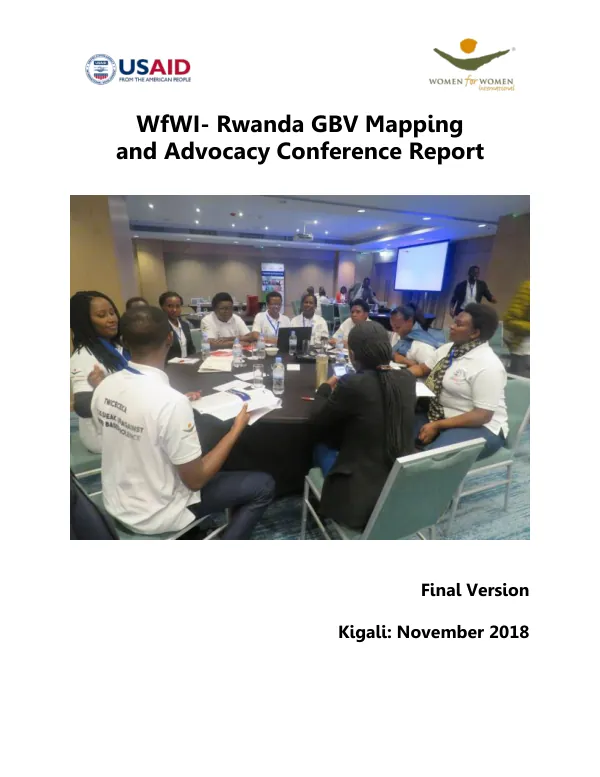
The human rights advocacy forum, established in 2012, convened a meeting to discuss the implementation of the Rwandan government's agricultural development initiative.
2012 · 76 pages
Sign in to readA free account is required to download.
Abstract
The meeting, held on a specific date, began with an introduction by the chairperson, who outlined the agenda and objectives of the meeting. The first session, led by the chairperson, focused on the agricultural development initiative in Rwanda, with a presentation by the Rwandan government's representative. The representative highlighted the key interventions implemented under the initiative, including farmer training programs, infrastructure development, and market linkage facilitation. The second session, led by the Rwandan government's representative, provided an overview of the midterm evaluation of the initiative. The third session, led by the Rwandan government's representative, focused on the implementation of the initiative's agricultural interventions. The representative highlighted the importance of sustainable agriculture practices, including composting and crop rotation, and the need for irrigation infrastructure to support these practices. The fourth session, led by the Rwandan government's representative, discussed the market linkage facilitation component of the initiative. The representative highlighted the importance of connecting farmers to markets and the need for infrastructure development to support this component. The fifth session, led by the Rwandan government's representative, focused on the initiative's impact on food security and poverty reduction. The representative highlighted the significant progress made in improving food security and reducing poverty among program participants. The sixth session, led by the Rwandan government's representative, discussed the initiative's geographic focus and context. The representative highlighted the importance of targeting areas with high poverty rates and limited access to markets. The seventh session, led by the Rwandan government's representative, focused on the initiative's implementation details, including the establishment of demonstration plots and the provision of training to farmers. The representative highlighted the importance of community feedback and participation in the initiative's implementation. The eighth session, led by the Rwandan government's representative, discussed the initiative's impact on women-headed households. The representative highlighted the significant progress made in improving the livelihoods of women-headed households, including increased adoption of sustainable agriculture practices and improved market access. The tenth session, led by the Rwandan government's representative, discussed the initiative's implementation details, including the establishment of irrigation infrastructure and the provision of training to farmers. The representative highlighted the importance of community feedback and participation in the initiative's implementation. The fourteenth session, led by the Rwandan government's representative, discussed the initiative's impact on food security and poverty reduction. The representative highlighted the significant progress made in improving food security and reducing poverty among program participants. The twentieth session, led by the Rwandan government