USAID DEC
Five Transmission Channels of Exchange Rate Impact
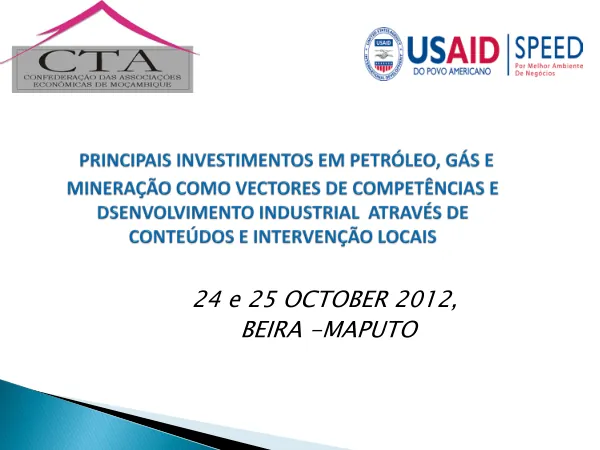
The conference on local content and national industries in the extractive sector took place in Beira, Mozambique, on October 24-25, 2012.
2012 · 39 pages
Sign in to readA free account is required to download.
Abstract
The event was attended by various stakeholders, including government officials, industry representatives, and civil society organizations. The conference aimed to discuss the importance of local content and national industries in the extractive sector, as well as the challenges and opportunities associated with it. John James, a speaker at the conference, highlighted the need for local content and national industries in the extractive sector. He emphasized the importance of acquiring goods and services from local companies, as well as the need to develop local capacity and infrastructure. James also stressed the importance of understanding the factors that influence investment decisions and the need for clear and consistent policies and regulations. The conference also discussed the concept of "benção ou maldição," which refers to the potential benefits and risks associated with the extractive sector. James noted that the sector can bring significant economic benefits, but it can also lead to negative consequences such as poverty, unemployment, and crime. He emphasized the need for a balanced approach that takes into account both the economic and social implications of the sector. The conference also touched on the importance of dialogue between government officials, industry representatives, and civil society organizations. James noted that this dialogue is essential for ensuring that the extractive sector is developed in a way that benefits all stakeholders, including local communities and the government. The conference also highlighted the importance of learning from other countries that have successfully developed their extractive sectors. James noted that countries such as Nigeria, Brazil, and Angola have made significant progress in developing their extractive sectors, and that Mozambique can learn from their experiences. The conference also discussed the concept of "trigémeos do mal," which refers to the interrelated challenges of poverty, unemployment, and crime. James noted that these challenges are often exacerbated by the extractive sector, and that they require a coordinated response from government officials, industry representatives, and civil society organizations. The conference also emphasized the importance of understanding the regional and global trends that are shaping the extractive sector. James noted that governments and industry representatives need to be aware of the changing global landscape and the implications of these changes for the extractive sector. The conference also discussed the importance of developing local capacity and infrastructure in the extractive sector. James noted that this is essential for ensuring that the sector is developed in a way that benefits local communities and the government. The conference also highlighted the importance of fiscal policies and regulations in the extractive sector. James noted that governments need to have clear and consistent policies and regulations in place to ensure that the sector is developed in a way that benefits all stakeholders. The conference also emphasized the importance of monitoring and evaluating the performance of the extractive sector. James noted that this is essential for ensuring that the sector is developed in a way that meets the needs of all stakeholders, including local communities and the government. Overall, the conference on local content and national industries in the extractive sector highlighted the importance of developing local capacity and infrastructure, understanding the factors that influence investment decisions, and ensuring that the sector is developed in a way that benefits all stakeholders.
Related documents
Documents in this collection
 2021
2021USAID DEC
Year 6-Quarter 1 Report: YALI Regional Leadership Center, Southern Africa (RLC-SA)
Open record 2021
2021USAID DEC
Assessing the Effects of COVID-19 on Access to Water, Sanitation, and Hygiene in USAID High Priority and Strategy-Aligned Countries: Country Deep Dive Report - Mozambique
Open record