USAID
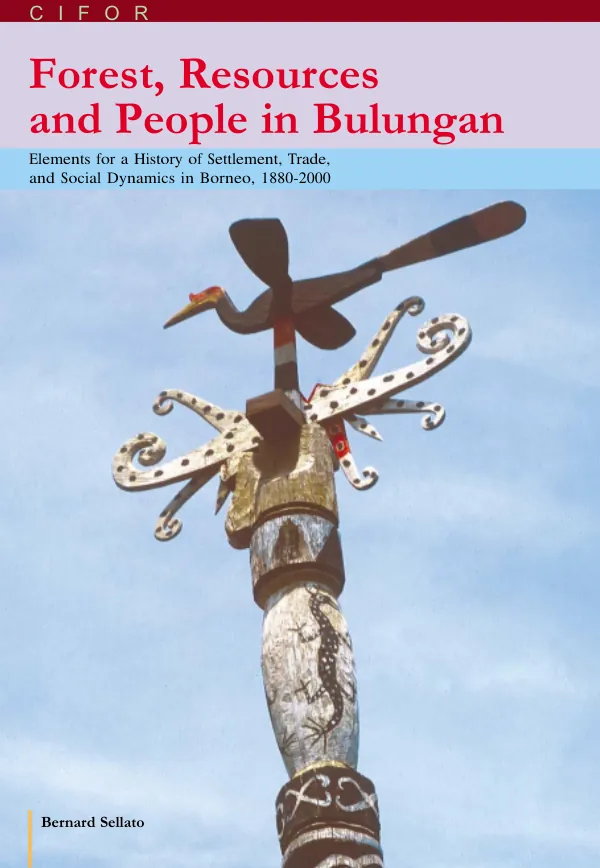
Forest, Resources and People in Bulungan
Forest, and People in Buler, Borneo, and the surrounding regions, the island of Borneo has been inhabited by various ethnic groups for thousands of years.
191 pages
Sign in to readA free account is required to download.
Abstract
The indigenous people of Borneo, including the Dayak, Dayak Bidayuh, and other groups, have a rich cultural heritage and a deep connection to the forest and its resources. The forest has played a crucial role in the lives of the indigenous people, providing them with food, shelter, and shelter. The forest is also home to a diverse array of flora and fauna, including trees, plants, and animals that are used for medicinal, spiritual, and spiritual purposes. In the late 19th and early 20th centuries, the forest was subject to significant changes due to the expansion of colonialism and the introduction of new technologies and practices. The forest was cleared for agriculture, and the indigenous people were forced to adapt to new ways of living. The forest has also been impacted by the impact of climate change, with rising temperatures and changing weather patterns affecting the forest's health and productivity. The forest is also vulnerable to fires, which can have devastating effects on the forest's ecosystem. In recent years, there has been a growing recognition of the importance of preserving the forest and its resources. Efforts have been made to protect the forest and its inhabitants, including the establishment of protected areas and the promotion of sustainable forest management practices. The forest is also home to a number of important cultural and spiritual sites, including ancient temples and sacred forests. These sites are an important part of the indigenous people's cultural heritage and are considered sacred by many. In addition to its cultural and spiritual significance, the forest is also an important source of income for many communities. The forest provides a range of products, including timber, non-timber forest products, and other forest-based commodities. The forest is also an important part of the global ecosystem, providing a range of ecosystem services, including carbon sequestration, water filtration, and soil conservation. The forest is also home to a number of endangered species, including the orangutan, the proboscis monkey, and the Bornean pygmy elephant. In conclusion, the forest and its inhabitants are an integral part of the cultural, spiritual, and ecological heritage of Borneo. Efforts must be made to protect the forest and its resources, and to promote sustainable forest management practices that benefit both the indigenous people and the global community. The forest is a complex and dynamic ecosystem that is shaped by a range of factors, including climate change, climate change, and human activities. The forest is also home to a number of important cultural and spiritual sites, including ancient temples and sacred forests. The forest is also an important part of the global