USAID DEC
FY2016 Annual Progress Report: Strengthening Election Administration and Civic Participation (SEAP) Program
Sign inTHE INTERNATIONAL FOUNDATION FOR ELECTORAL SYSTEMS
FY2016 Annual Progress Report: Strengthening Election Administration and Civic Participation (SEAP) Program
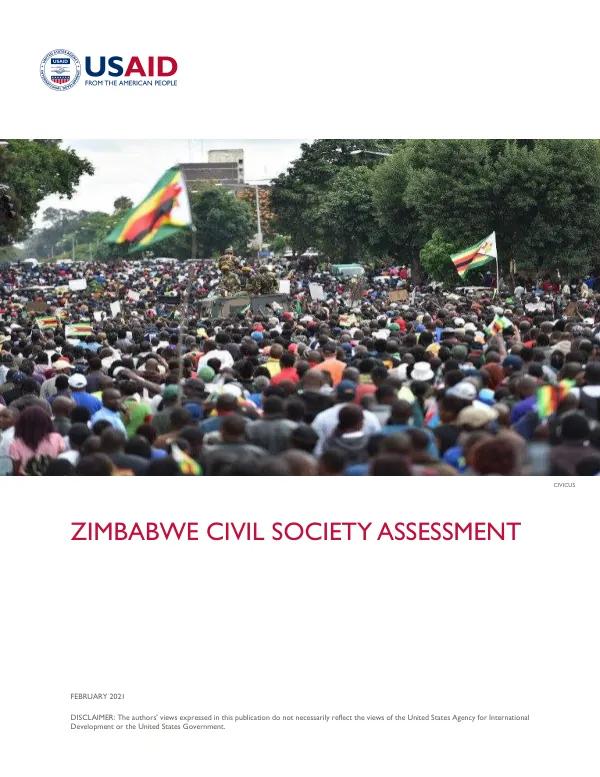
The Strengthening Election Administration and Civic Participation (SEAP) Program in Zimbabwe aimed to enhance the electoral reform efforts in the country.
2016 · 31 pages
Sign in to readA free account is required to download.
Abstract
The program was implemented by the International Foundation for Electoral Systems (IFES) and was contracted under AID-613-C-15-000004. The program's base period began on October 1, 2015, and ended on September 30, 2017, with two additional option years (2018-2019). The estimated amount for the contract was $1,665,270, with an obligation of $1,050,068. The program's objectives were to increase the technical capacity of targeted Civil Society Organizations (CSOs) to design effective civic and voter education campaigns, strengthen the technical capacity of targeted CSOs to conduct effective oversight of the electoral process, and improve the Zimbabwe Electoral Commission's (ZEC) capacity to effectively administer elections in keeping with international best practices for enabling free and fair elections. During FY 2016, IFES focused on program startup and administration, as well as creating relationships with the civil society organizations (CSO) that would partner with the program in the future. These partnerships led to the creation of a CSO consortium, including a kickoff meeting, preliminary training, and a plan for future trainings. The CSO consortium selection process was a critical component of the program, as it aimed to identify a diverse group of CSOs with a broad support base that could overcome common political divides. IFES held numerous discussions with UNDP, TRACE, and several donors to identify potential collaborating CSOs, identify synergies, and avoid duplications. In June 2016, IFES obtained approval from USAID regarding the twelve suggested CSOs that would be part of the consortium. The program also received funding approval from the European Union in late December 2015 to implement its three-year Electoral Strengthening for the Zimbabwe Electoral Commission program. The program began on January 1, 2016, and will conclude on December 31, 2018. The Zimbabwe Electoral Commission (ZEC) played a crucial role in the program, as it was responsible for the delimitation of constituencies and the administration of elections. The ZEC conducted 29 National Assembly by-elections between the July 31, 2013 general elections and September 2016, six of which occurred during FY 2016. The voter registers caused concern, as the 2013 voter register was used as a supplementary voters' roll. The program also addressed sensitive issues such as gender, sustainability, environmental compliance, and linkages to other USAID projects. The program's activities were designed to support the ZEC and civil society organizations in their efforts to strengthen election administration and civic participation in Zimbabwe. The program's progress was monitored through a strategic framework for objectives and indicators, which tracked progress on program objectives and performance indicators. The program's lessons learned highlighted the importance of building relationships with civil society organizations and the need for a more responsive government. The program also identified the need for greater focus on economic recovery and the payment of government salaries. The program's future application will focus on building on the progress made during FY 2016 and addressing the challenges identified during the midterm evaluation.