GEORGETOWN UNIVERSITY
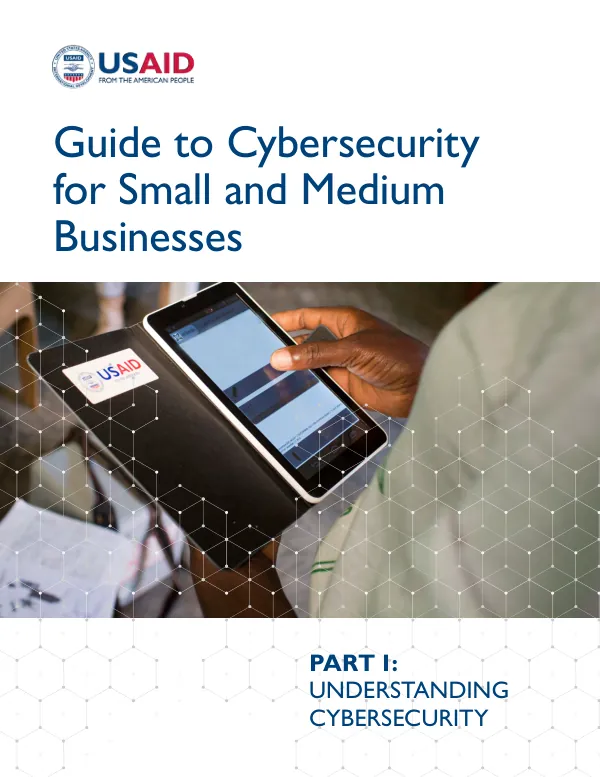
Guide to Cybersecurity for Small and Medium Businesses
Cybersecurity is a critical concern for small and medium-sized businesses, as they are increasingly vulnerable to cyber threats.
2022 · 26 pages
Sign in to readA free account is required to download.
Abstract
A good leader plays a crucial role in implementing effective cybersecurity measures. The leader should prioritize cybersecurity and ensure that it is integrated into the organization's overall risk management strategy. To start, employees should be trained to trust but verify, as this is a fundamental principle of cybersecurity. This involves being cautious when receiving emails or attachments from unknown sources and verifying the authenticity of the sender. Additionally, employees should be educated on how to identify and report potential cybersecurity threats. Implementing robust cybersecurity measures is essential for protecting a business from cyber threats. This includes installing reputable antivirus and antimalware software, using network firewalls, and setting strong passwords. Multi-factor authentication should also be implemented to add an extra layer of security. Regular software updates are crucial in maintaining the security of a business's systems. This includes updating operating systems, applications, and firmware to ensure that any known vulnerabilities are patched. Encryption should also be used to protect sensitive data, both in transit and at rest. Physical security is also an essential aspect of cybersecurity. This includes securing physical access to servers, data centers, and other critical infrastructure. Businesses should also consider implementing a Bring Your Own Device (BYOD) policy to ensure that employees' personal devices are secure. Cyber insurance can provide an additional layer of protection for businesses in the event of a cyber attack. This can help to mitigate the financial impact of a breach and provide support for incident response and recovery efforts. Hiring an IT professional can also be beneficial in maintaining the security of a business's systems. This can include implementing and maintaining cybersecurity measures, as well as providing training and support to employees. In the event of a cybersecurity incident, it is essential to have a plan in place for restoring operations and managing communications effectively. This includes notifying the authorities, service providers, and clients and customers, as well as taking steps to contain and mitigate the incident. A distributed denial-of-service (DDoS) attack is a type of cyber attack that involves flooding a website or network with traffic in an attempt to overwhelm it. This can be prevented by implementing a robust cybersecurity strategy, including the use of firewalls, intrusion detection and prevention systems, and content delivery networks. The Internet of Things (IoT) refers to the network of physical devices, vehicles, home appliances, and other items embedded with sensors, software, and connectivity, allowing them to collect and exchange data. As the IoT continues to grow, it is essential to ensure that these devices are secure and do not pose a risk to the business. The National Institute of Standards and Technology (NIST) Cybersecurity Framework provides a comprehensive framework for managing and reducing cybersecurity risk. This includes identifying, protecting, detecting, responding to, and recovering from cyber threats. The Payment Card Industry (PCI) Data Security Standard is a set of security standards designed to ensure that all companies that accept, process, store, or transmit credit card information maintain a secure environment. This includes implementing robust security measures, such as firewalls, intrusion detection and prevention systems, and encryption. A Service Set Identifier (SSID) is a unique name given to a Wi-Fi network. This can be used to identify and secure the network, as well as to prevent unauthorized access. Secure Sockets Layer (SSL) is a security protocol that provides privacy and data integrity between two communicating applications. This is often used to secure online transactions and protect sensitive data. Wi-Fi Protected Access 2 (WPA2) is a security protocol that uses passwords to secure Wi-Fi networks. This is an essential measure for protecting against unauthorized access to a business's network. In conclusion, cybersecurity is a critical concern for small and medium-sized businesses. A good leader should prioritize cybersecurity and ensure that it is integrated into the organization's overall risk management strategy. Implementing robust cybersecurity measures, including antivirus software, firewalls, and encryption, is essential for protecting a business from cyber threats. Regular software updates, physical security, and cyber insurance can also provide additional layers of protection.
Related documents