USAID DEC
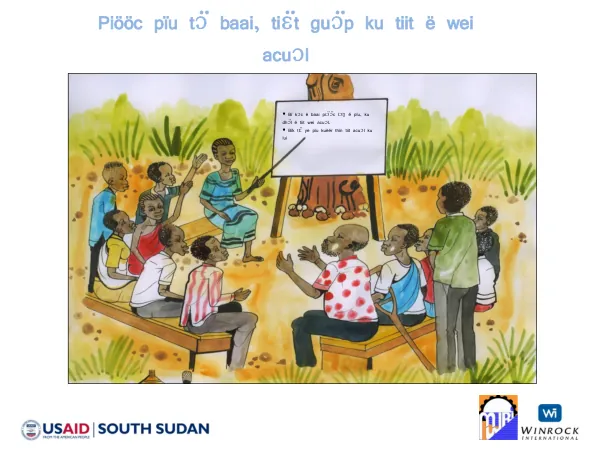
Hand washing at critical times
The BRIDGE initiative, led by the Ministry of Agriculture and Animal Resources (MINAGRI) in Rwanda, aimed to improve agricultural productivity and market access for smallholder farmers.
2011 · 47 pages
Sign in to readA free account is required to download.
Abstract
The program focused on three key areas: improving soil fertility, increasing access to markets, and enhancing farmer training and extension services. Soil fertility was improved through the use of organic amendments, such as compost and manure, and the promotion of conservation agriculture practices. Market access was enhanced through the establishment of farmer organizations and the development of market information systems. Farmer training and extension services were provided through a network of extension agents and farmer trainers, who worked closely with farmers to identify their needs and provide them with the necessary skills and knowledge to improve their productivity and market access. The program also focused on improving the health and well-being of farmers and their families, through the provision of health and nutrition services, and the promotion of safe water and sanitation practices. The BRIDGE initiative was implemented in 15 districts across Rwanda, and involved over 20,000 farmers. The program was funded by the United States Agency for International Development (USAID) and the Rwandan government. The program's impact was evaluated through a series of surveys and assessments, which showed significant improvements in agricultural productivity, market access, and farmer income. The program also contributed to improved food security and nutrition outcomes, particularly among women and children. The BRIDGE initiative demonstrated the potential of agricultural development programs to improve the lives of smallholder farmers and their families, and to contribute to the overall development of rural communities.