USAID DEC
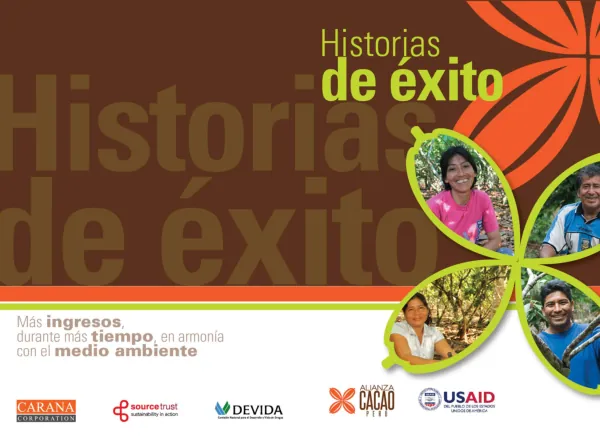
Historias de éxito de productores de cacao en Perú
The agricultural development initiative in the Peruvian Amazon region began with the establishment of the Alianza Cacao Perú, a program aimed at promoting the production of high-quality cacao.
2013 · 8 pages
Sign in to readA free account is required to download.
Abstract
The program focused on providing technical assistance, training, and financial support to local farmers. One of the key objectives of the initiative was to increase the production of fine and aromatic cacao, which is in high demand in the global market. The program targeted small-scale farmers in the regions of Ucayali, San Martin, and Amazonas. These farmers were provided with training and technical assistance on best practices for cacao production, including soil management, irrigation, and pest control. The program also offered financial support through credit facilities, which enabled farmers to invest in their cacao plantations and improve their productivity. The initiative had a significant impact on the lives of the participating farmers. Many of them were able to increase their income and improve their living standards. For example, Edy Nalvarte Almonacid, a farmer from the district of Curimana, was able to increase his income by 27% after participating in the program. Similarly, José Santos Núñez Vega, a farmer from the district of San José de Sisa, was able to expand his cacao plantation and increase his income by 50%. The program also had a positive impact on the environment. The use of sustainable agricultural practices and the implementation of agroforestry systems helped to reduce deforestation and promote biodiversity. The program also promoted the use of organic fertilizers and pest control methods, which reduced the use of chemical pesticides and improved soil health. The Alianza Cacao Perü program was a collaborative effort between the government, private sector, and civil society organizations. The program was supported by financial institutions, such as Caja Nuestra Gente and Caja Maynas, which provided credit facilities to participating farmers. The program also received technical assistance from international organizations, such as the Food and Agriculture Organization (FAO) of the United Nations. The success of the Alianza Cacao Perú program has inspired other initiatives in the region. The program has demonstrated the potential of sustainable cacao production to improve the lives of small-scale farmers and promote economic development in the region. The program has also highlighted the importance of collaboration and partnership in achieving sustainable development goals. The program's impact on the participating farmers was significant, with many of them reporting increased income and improved living standards. The program also had a positive impact on the environment, promoting sustainable agricultural practices and reducing deforestation. The success of the Alianza Cacao Perú program has inspired other initiatives in the region, demonstrating the potential of sustainable cacao production to promote economic development and improve the lives of small-scale farmers.
Related documents