USAID DEC
Job Aid
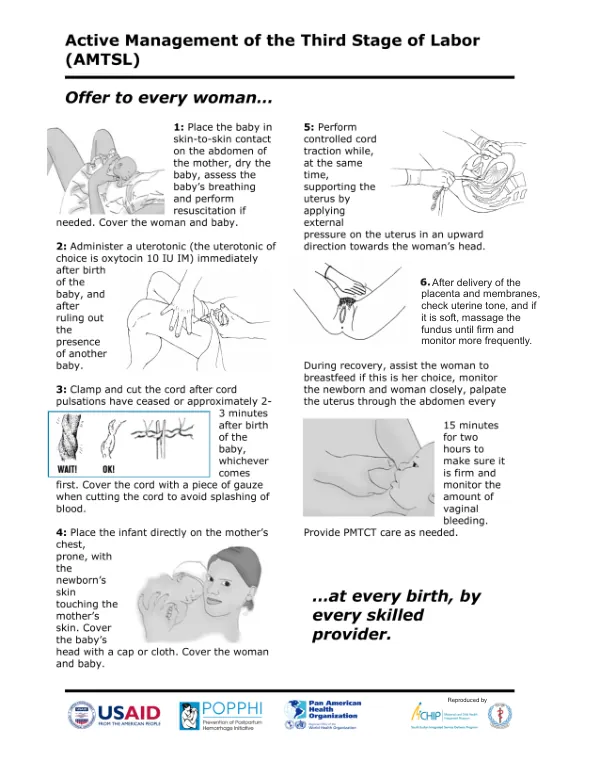
Uterine tone assessment is a critical component of postpartum care.
2013 · 1 pages
Sign in to readA free account is required to download.
Abstract
Following delivery of the placenta and membranes, healthcare providers must evaluate the uterus for firmness. A soft uterine tone may indicate uterine atony, a condition characterized by inadequate uterine contractions that can lead to postpartum hemorrhage. To address a soft uterine tone, healthcare providers employ a technique known as fundal massage. This involves gentle, sustained pressure applied to the fundus, the upper portion of the uterus, to stimulate contractions and promote firmness. The massage is typically performed until the uterus becomes firm, at which point the patient is monitored more frequently to ensure the condition is stable. Uterine tone assessment and management are essential components of postpartum care, as they help prevent complications such as postpartum hemorrhage. Regular monitoring of the patient's condition allows healthcare providers to intervene promptly if any issues arise, ensuring a safe and successful postpartum recovery. The American College of Obstetricians and Gynecologists (ACOG) recommends that healthcare providers assess uterine tone following delivery and take corrective action if necessary. This may involve fundal massage, administration of uterotonic agents, or other interventions to promote uterine contractions and prevent postpartum hemorrhage. Effective uterine tone management is critical to preventing postpartum complications and ensuring a safe and successful recovery for the patient. Regular monitoring and prompt intervention can help prevent serious complications and promote a smooth postpartum experience.