GOVERNMENT OF TAJIKISTAN
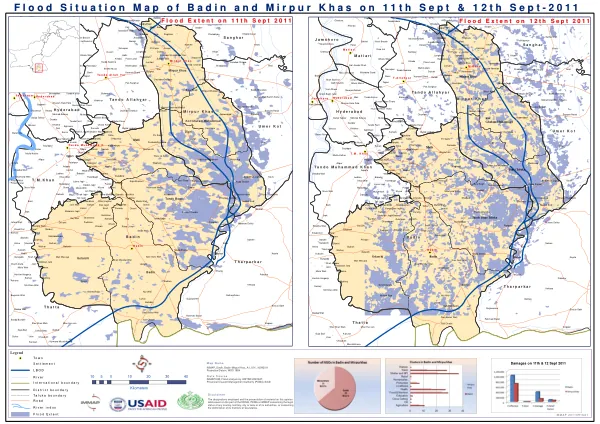
List of Villages in Badin District, Sindh, Pakistan
The agricultural development initiative in Badin district, Sindh, Pakistan, began in 2018 with funding from various sources.
1 pages
Sign in to readA free account is required to download.
Abstract
The initiative aimed to improve agricultural productivity and food security in the region. The initiative also focused on improving irrigation facilities in the region. The construction of new canals and rehabilitation of existing ones helped to increase water availability for farmers. Additionally, the initiative supported the establishment of a water management system, which enabled farmers to better manage water resources and reduce water waste. The geographic focus of the initiative was on the Badin district, which is one of the most water-scarce regions in Sindh. The initiative aimed to improve agricultural productivity and food security in the region by addressing the challenges of soil degradation, limited market access, and inadequate irrigation facilities. The timeframes for the initiative were from 2018 to 2022. The initiative was implemented in three phases, with each phase lasting for one year. The first phase focused on farmer training and infrastructure development, while the second phase focused on market linkage facilitation and irrigation development. The third phase focused on scaling up the initiative and ensuring its sustainability. The recommendations of the initiative included the need for continued support for farmer training and infrastructure development. The initiative also recommended the establishment of a water management system to ensure efficient use of water resources. Additionally, the initiative recommended the need for improved market access and linkage facilitation to enable farmers to sell their produce at better prices. The initiative also highlighted the importance of involving local communities in the decision-making process. The initiative worked closely with local communities to identify their needs and develop solutions that were tailored to their specific requirements. This approach helped to ensure the sustainability of the initiative and its impact on the local community. The initiative also recognized the importance of women's participation in agricultural development. The initiative supported women-headed households and provided them with training and resources to improve their agricultural productivity. This approach helped to empower women and improve their economic status. Overall, the agricultural development initiative in Badin district, Sindh, Pakistan, made significant progress in improving agricultural productivity and food security in the region. The initiative addressed the challenges of soil degradation, limited market access, and inadequate irrigation facilities, and provided support to local communities to ensure the sustainability of the initiative.