USAID
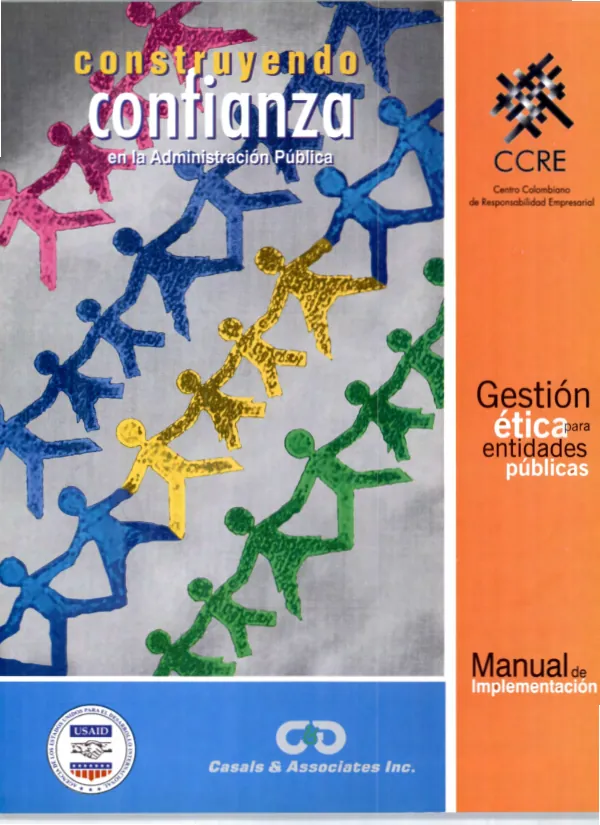
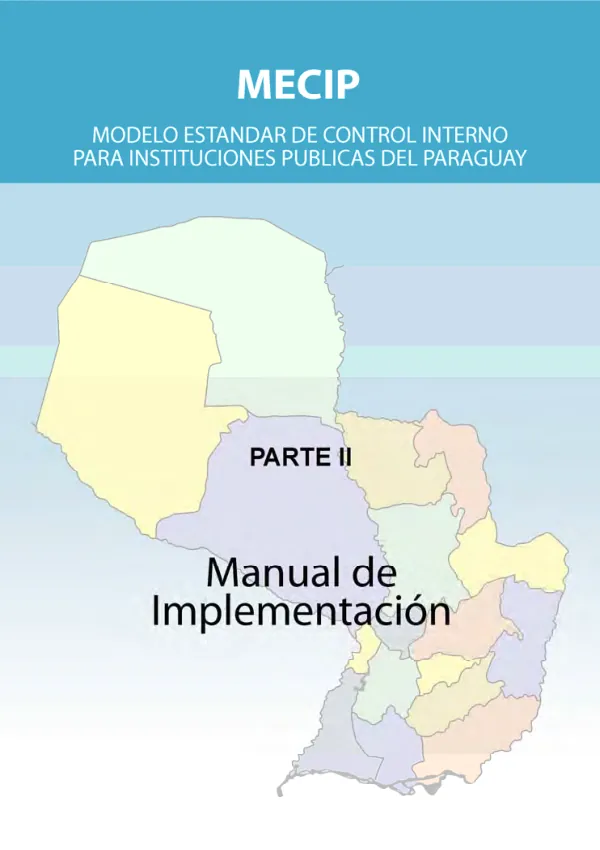
Manual de Implementacion del MECIP
The manual is divided into three main components: Componente Corporativo de Control Estratégico, Componente Corporativo de Control de Gestión, and Componente Corporativo de Control de Evaluación.
639 pages
Sign in to readA free account is required to download.
Abstract
Each component is further divided into several sections that outline the methodology, procedures, and guidelines for implementing and managing the respective control systems. The Componente Corporativo de Control Estratégico focuses on the design and implementation of a control environment that ensures the organization's strategic objectives are achieved. This component includes sections on the development of talent, protocol of good governance, and strategic direction. The methodology for designing and implementing these control systems is outlined in detail, including procedures, instructivos, and instrumentos. The Componente Corporativo de Control de Gestión is responsible for managing the organization's operations and ensuring that activities are carried out in accordance with established policies and procedures. This component includes sections on activities of control, procedures, and controls. The methodology for designing and implementing these control systems is also outlined, including procedures, instructivos, and instrumentos. The Componente Corporativo de Control de Evaluación is responsible for evaluating the organization's performance and ensuring that it is achieving its strategic objectives. This component includes sections on autoevaluation, which outlines the procedures and guidelines for conducting self-assessments of the organization's performance. Throughout the manual, the use of instructivos, guías, and instrumentos is emphasized as a key component of the control systems. These tools are designed to provide guidance and support to employees in carrying out their responsibilities and ensuring that the organization's control systems are effective. The manual also emphasizes the importance of communication and information management in ensuring the effectiveness of the control systems. Sections on communication and information management outline the procedures and guidelines for sharing information and communicating with stakeholders. Overall, the manual provides a comprehensive framework for designing and implementing control systems that ensure the organization's strategic objectives are achieved. The use of instructivos, guías, and instrumentos is a key component of this framework, and the manual provides detailed guidance on how to use these tools effectively. The manual is organized in a logical and easy-to-follow manner, with each section building on the previous one to provide a comprehensive overview of the control systems. The use of headings, subheadings, and bullet points makes it easy to navigate and understand the content. The manual is likely to be of interest to organizations that are looking to implement control systems that ensure the achievement of strategic objectives. It provides a comprehensive framework for designing and implementing control systems, and the use of instructivos, guías, and instrumentos is a key component of this framework. The manual is written in a clear and concise manner, making it easy to understand and implement the control systems. The use of technical terminology is minimized, and the language is accessible to a wide range of readers. The manual is likely to be used by a variety of stakeholders, including employees, managers, and directors. It provides a comprehensive framework for designing and implementing control systems, and the use of instructivos, guías, and instrumentos is a key component of this framework.