FUTURES GROUP INTERNATIONAL, LLC
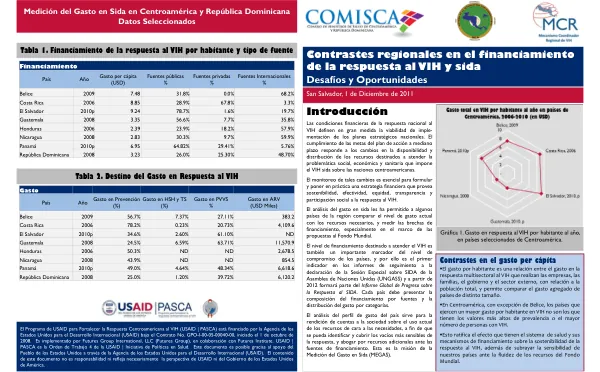
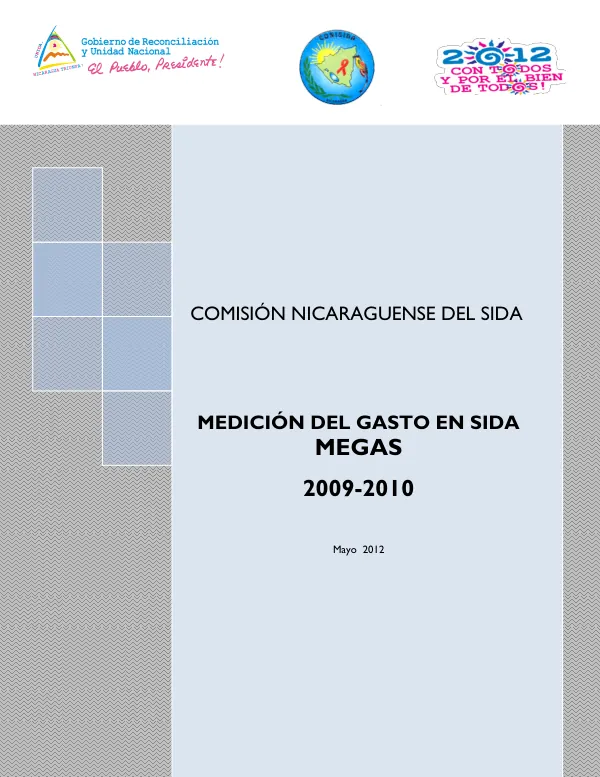
Medición del Gasto en Sida 2009-2010
The Comisión Nicaragüense del SIDA (Nicaraguan AIDS Commission) conducted a study to measure the expenditure on HIV/AIDS in Nicaragua from 2009 to 2010.
2012 · 34 pages
Sign in to readA free account is required to download.
Abstract
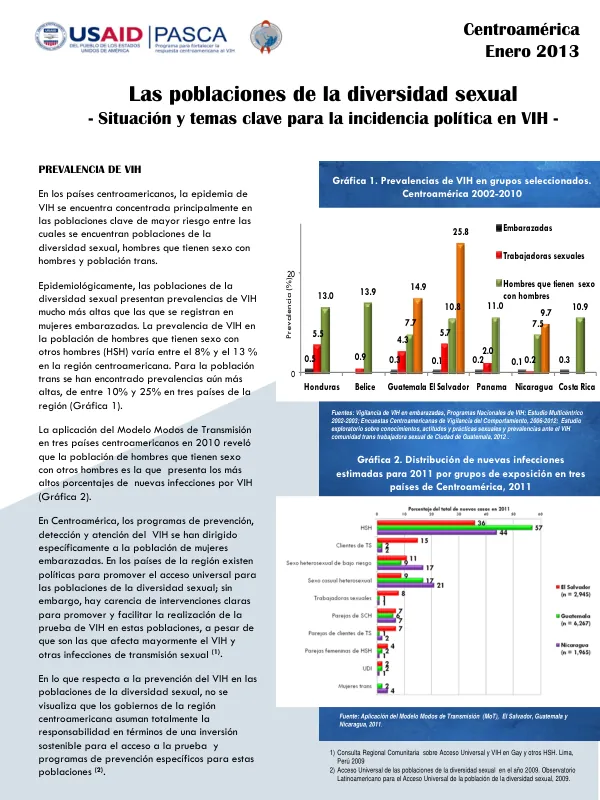
The study was funded by the USAID|PASCA Program, which is implemented by Futures Group International, LLC, in collaboration with Futures Institute. The study aimed to assess the financial resources allocated to HIV/AIDS programs in Nicaragua and to identify the main actors involved in the response. The study found that the total expenditure on HIV/AIDS in Nicaragua in 2010 was approximately $23.4 million. The majority of this funding came from international sources, with the United States being the largest contributor. The study also identified the main categories of expenditure, including prevention, treatment, and care, as well as the main actors involved in the response, including government institutions, non-governmental organizations, and community-based organizations. The study's results showed that the prevalence of HIV/AIDS in Nicaragua remains low, with a prevalence rate of less than 1% in the general population and in pregnant women. However, the study noted that the epidemic is concentrated in specific groups, including men who have sex with men, sex workers, and transgender individuals. The study's methodology involved a review of financial data from various sources, including government institutions, non-governmental organizations, and community-based organizations. The study also conducted interviews with key stakeholders, including government officials, non-governmental organization representatives, and community leaders. The study's findings have important implications for the development of effective HIV/AIDS programs in Nicaragua. The study's results suggest that the country's HIV/AIDS response should focus on increasing access to prevention and treatment services, particularly for vulnerable populations. The study also highlights the need for improved coordination and collaboration among government institutions, non-governmental organizations, and community-based organizations to ensure a comprehensive and effective response to the epidemic. The study's conclusions are based on the analysis of financial data and stakeholder interviews. The study recommends that the government of Nicaragua, in collaboration with international partners, should increase funding for HIV/AIDS programs, particularly for prevention and treatment services. The study also recommends that the government should strengthen its capacity to monitor and evaluate the effectiveness of HIV/AIDS programs, as well as improve coordination and collaboration among stakeholders. The study's recommendations are based on the analysis of the data and stakeholder interviews. The study suggests that the government of Nicaragua should prioritize the development of effective HIV/AIDS programs, particularly for vulnerable populations. The study also recommends that the government should strengthen its capacity to monitor and evaluate the effectiveness of HIV/AIDS programs, as well as improve coordination and collaboration among stakeholders. The study's bibliography includes a list of sources used in the study, including government reports, non-governmental organization publications, and academic articles. The study's annexes include additional information, including a list of actors involved in the response and a description of the methodology used in the study. In summary, the study conducted by the Comisión Nicaragüense del SIDA provides valuable insights into the expenditure on HIV/AIDS in Nicaragua from 2009 to 2010. The study's findings highlight the need for increased funding for HIV/AIDS programs, particularly for prevention and treatment services, as well as improved coordination and collaboration among stakeholders. The study's recommendations are based on the analysis of financial data and stakeholder interviews, and are intended to inform the development of effective HIV/AIDS programs in Nicaragua.
Related documents