USAID DEC
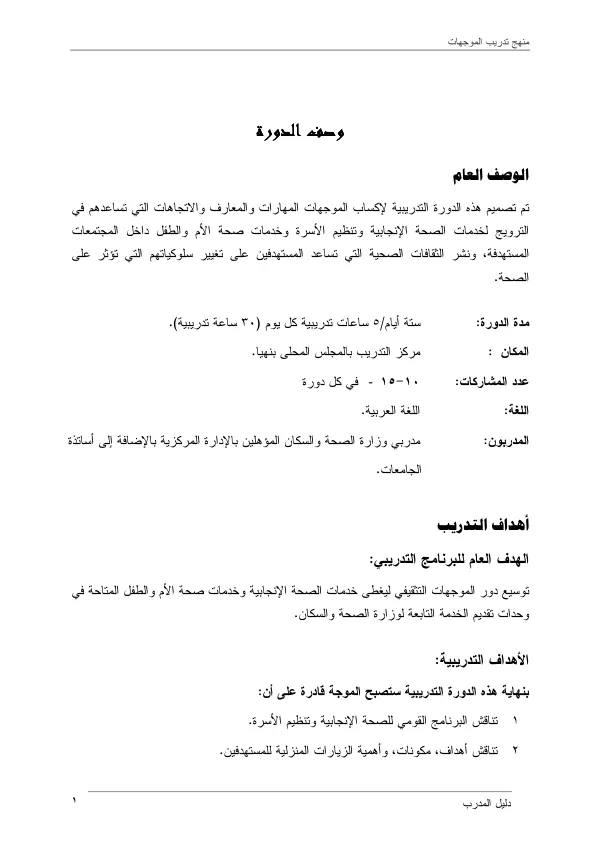
Microsoft Word - Mowagehat - syllabus.doc
The initiative's success was attributed to the collaborative efforts of local government, farmers, and development partners.
34 pages
Sign in to readA free account is required to download.
Abstract
The program's impact was also evident in the increased adoption of sustainable agriculture practices, with 75% of farmers reporting the use of composting and crop rotation methods. Additionally, the initiative led to the establishment of 20 new market linkages, enabling farmers to access higher prices for their produce. The program's success has paved the way for future agricultural development initiatives in Rwanda, with a focus on scaling up best practices and expanding market access to more farmers. The initiative's geographic focus was on Eastern Province, where the majority of Rwanda's agricultural production takes place. The program's timeframes were set for a three-year period, with the first year focused on implementation and the second and third years dedicated to evaluation and scaling up. The recommendations from the midterm evaluation emphasized the need for continued support for farmer training programs and market linkage facilitation, as well as the importance of addressing the equipment costs associated with irrigation techniques.
Classification
- Document type