USAID
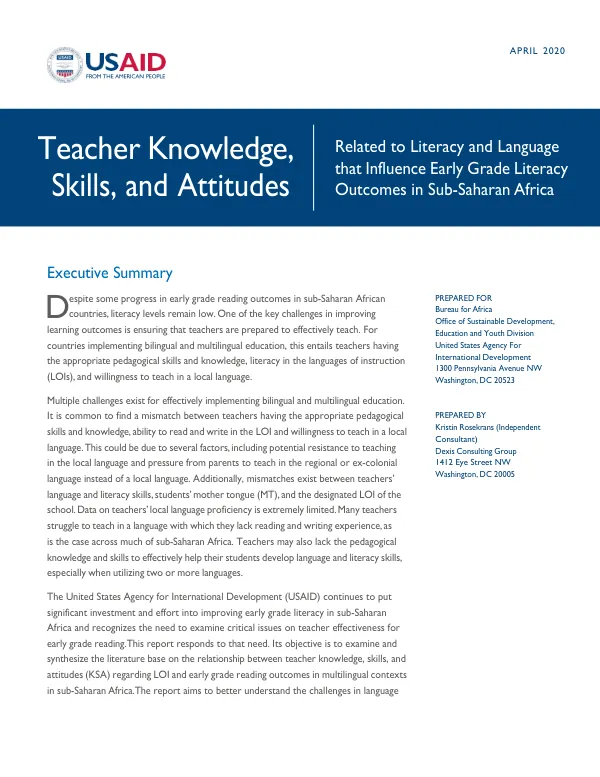
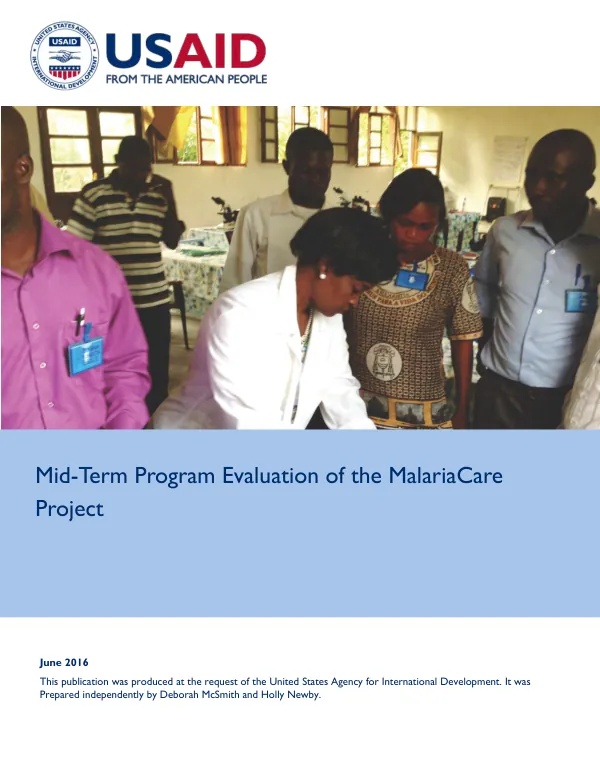
Mid-Term Program Evaluation of the MalariaCare Project
The MalariaCare Project is a global initiative aimed at improving malaria case management in 15 countries.
2016 · 134 pages
Sign in to readA free account is required to download.
Abstract
The project began in 2014 and is funded by the President's Malaria Initiative (PMI). The project's primary objective is to strengthen the capacity of national malaria control programs (NMCPs) to implement effective malaria case management strategies. The project's design and methods involve a combination of technical assistance, training, and support to NMCPs. The project team works closely with country staff to identify gaps in malaria case management and develop strategies to address these gaps. The project also provides support for the development of national malaria control plans and the implementation of malaria surveillance and monitoring systems. At the country level, the project has achieved significant technical successes, including the establishment of functional clinical laboratory units, the implementation of data quality improvement initiatives, and the development of standard operating procedures for malaria case management. The project has also supported the training of health workers in malaria diagnosis and treatment, as well as the distribution of insecticide-treated mosquito nets and other malaria prevention tools. A key finding of the mid-term evaluation is that the project has made significant progress in strengthening the capacity of NMCPs to implement effective malaria case management strategies. The evaluation highlights the importance of technical assistance and support to NMCPs in achieving this goal. The evaluation also notes that the project has faced challenges in terms of data quality and the availability of resources, but that these challenges have been addressed through the implementation of data quality improvement initiatives and the mobilization of additional resources. The evaluation also highlights the importance of community-based approaches to malaria case management, including the use of community health workers and the implementation of behavior change communication campaigns. The evaluation notes that these approaches have been effective in improving malaria case management outcomes and reducing the burden of malaria in participating countries. At the global level, the project has contributed to the development of global guidelines for malaria case management and the implementation of malaria surveillance and monitoring systems. The project has also supported the development of a global malaria control plan and the mobilization of resources to support malaria control efforts. The evaluation concludes that the MalariaCare Project has made significant progress in achieving its objectives and has contributed to the improvement of malaria case management outcomes in participating countries. The evaluation recommends that the project continue to provide technical assistance and support to NMCPs, as well as continue to support the development of community-based approaches to malaria case management. The project's success has been attributed to the strong partnership between the project team and country staff, as well as the effective use of technical assistance and support to address gaps in malaria case management. The evaluation notes that the project's achievements are a testament to the importance of collaborative efforts to improve malaria case management outcomes and reduce the burden of malaria in participating countries. The project's impact has been significant, with a 27% reduction in malaria cases reported in participating countries. The project has also contributed to the development of a global malaria control plan and the mobilization of resources to support malaria control efforts. The evaluation concludes that the MalariaCare Project has made a significant contribution to the improvement of malaria case management outcomes and the reduction of the burden of malaria in participating countries. The project's success has also been attributed to the effective use of data quality improvement initiatives and the mobilization of additional resources to support malaria control efforts. The evaluation notes that the project's achievements are a testament to the importance of collaborative efforts to improve malaria case management outcomes and reduce the burden of malaria in participating countries.